dbt cut AI token costs by 98% with context engineering. The number is real, but it's an amortization trick and the bill moves. Here's who pays.
dbt cut AI token costs by 98% with context engineering. The number is real, but it's an amortization trick and the bill moves. Here's who pays.
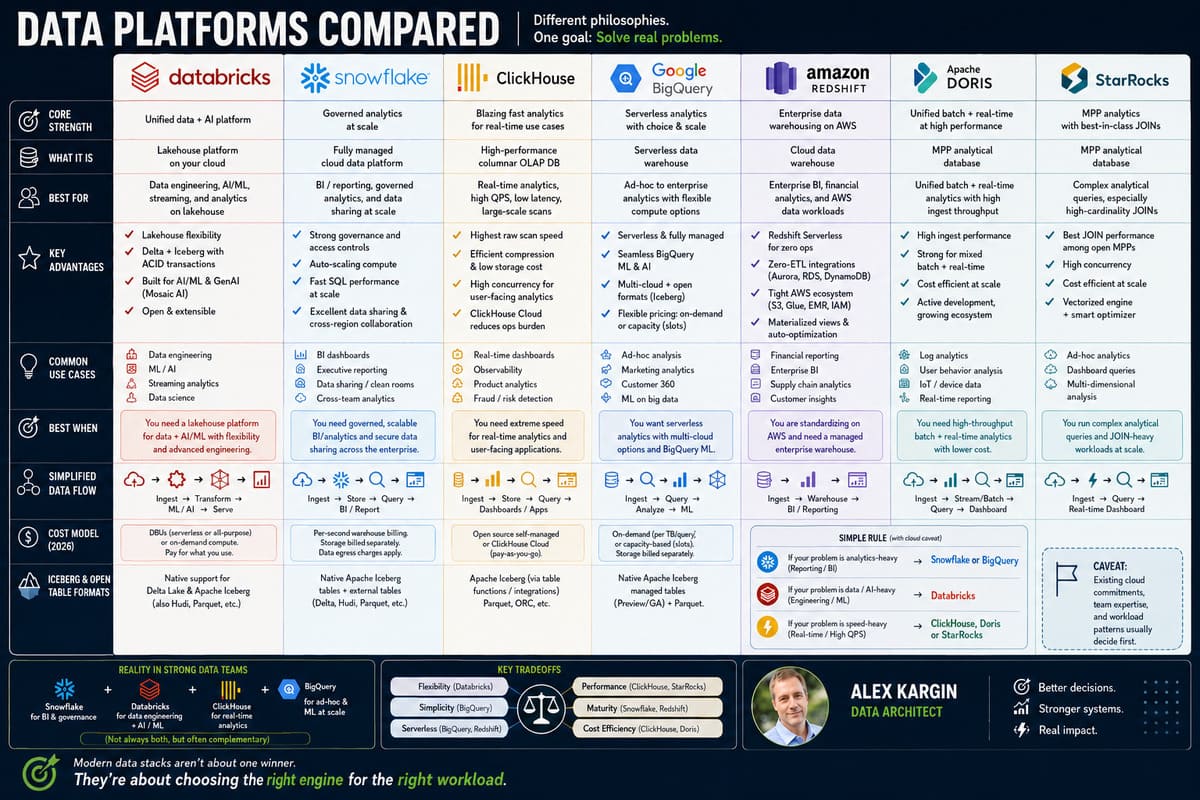
Most teams ask the wrong question when choosing a data platform in 2026. The real issue isn't whether Snowflake, Databricks, ClickHouse, BigQuery, or Redshift is "better" - it's whether the platform matches the workload you're actually running. In this article, Alex Kargin breaks down four core workload patterns - governed BI, AI/ML engineering, real-time analytics, and ad-hoc exploration - and explains why architecture, operational constraints, and cost models matter more than benchmark charts. The piece also explores how Apache Iceberg is reshaping the modern data stack, making platform decisions less about vendor lock-in and more about choosing the right compute engine for the job.
Uber replaced its batch-heavy data lake ingestion with IngestionNext - a streaming-first platform built on Kafka, Flink, and Apache Hudi. Latency dropped from hours to minutes and compute usage fell 25%. A technical breakdown of the architecture and what data teams can learn from it.
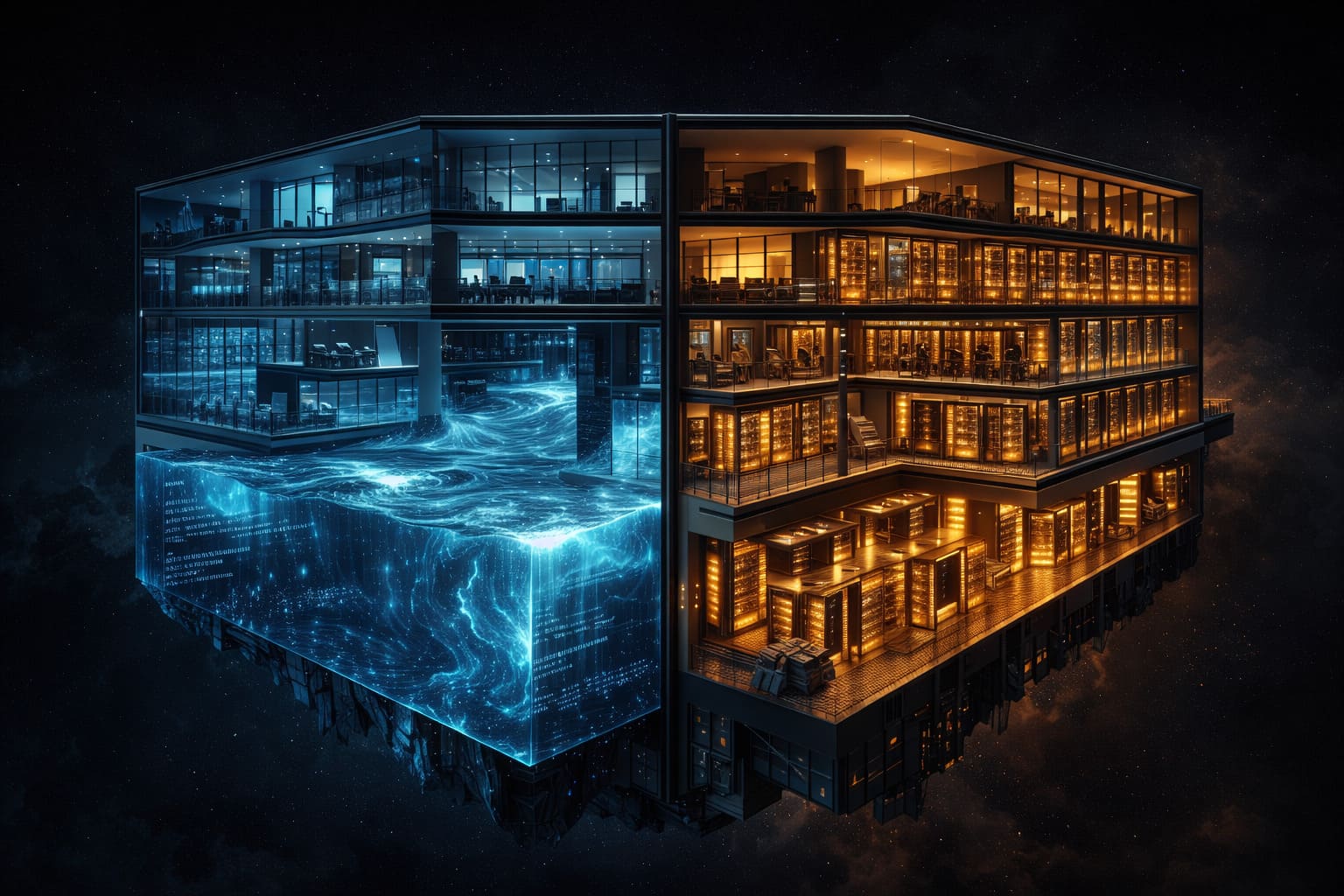
A practical guide to data lakehouse architecture in 2026: core components, medallion pattern, implementation options, governance, and real cost modeling.