Andrej Karpathy suggests using aerospace-style controlled English, diagrams and interactive interfaces to solve a growing AI problem: models can produce work faster than humans can review it.
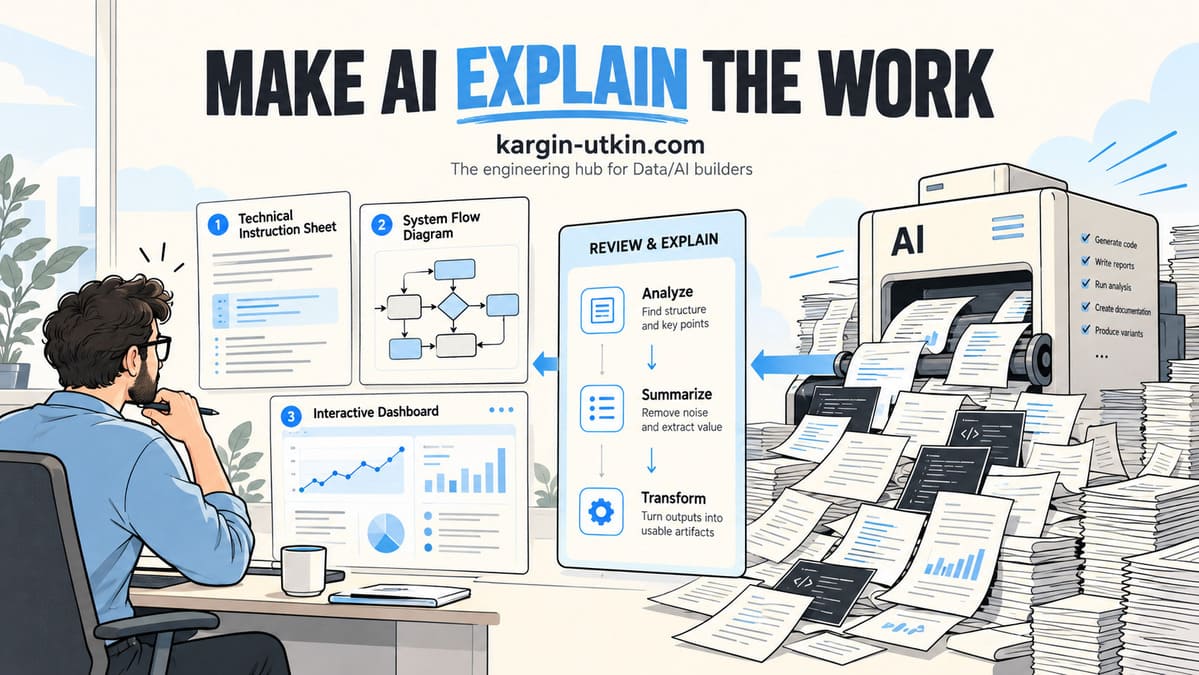
Andrej Karpathy suggests using aerospace-style controlled English, diagrams and interactive interfaces to solve a growing AI problem: models can produce work faster than humans can review it.
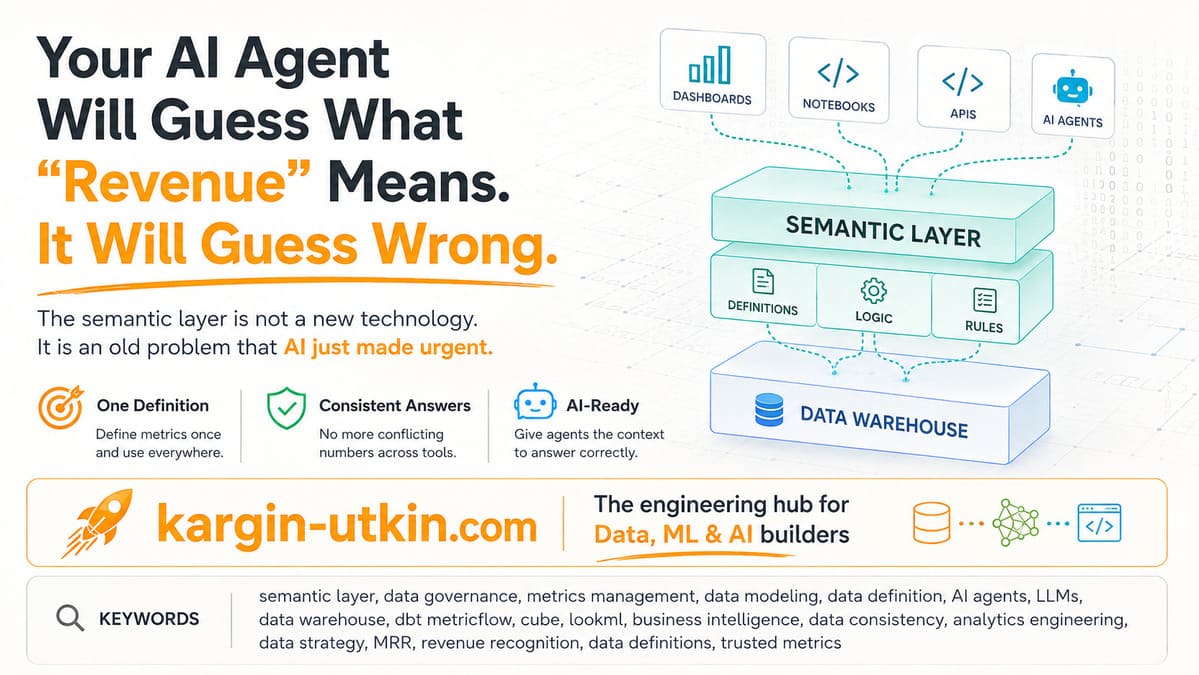
Ask a data analyst for last quarter's revenue and you won't get a number. You'll get a question. "Do you mean gross or net? Before or after refunds? In USD or local currency? Including the subsidiary we acquired in March?" The analyst is doing something important: they're resolving ambiguity before producing a figure
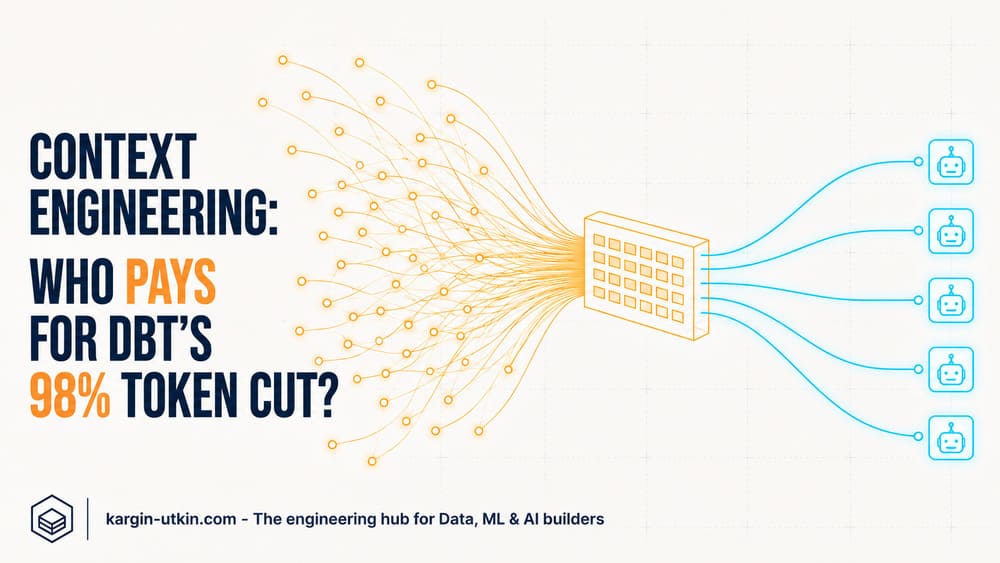
dbt cut AI token costs by 98% with context engineering. The number is real, but it's an amortization trick and the bill moves. Here's who pays.
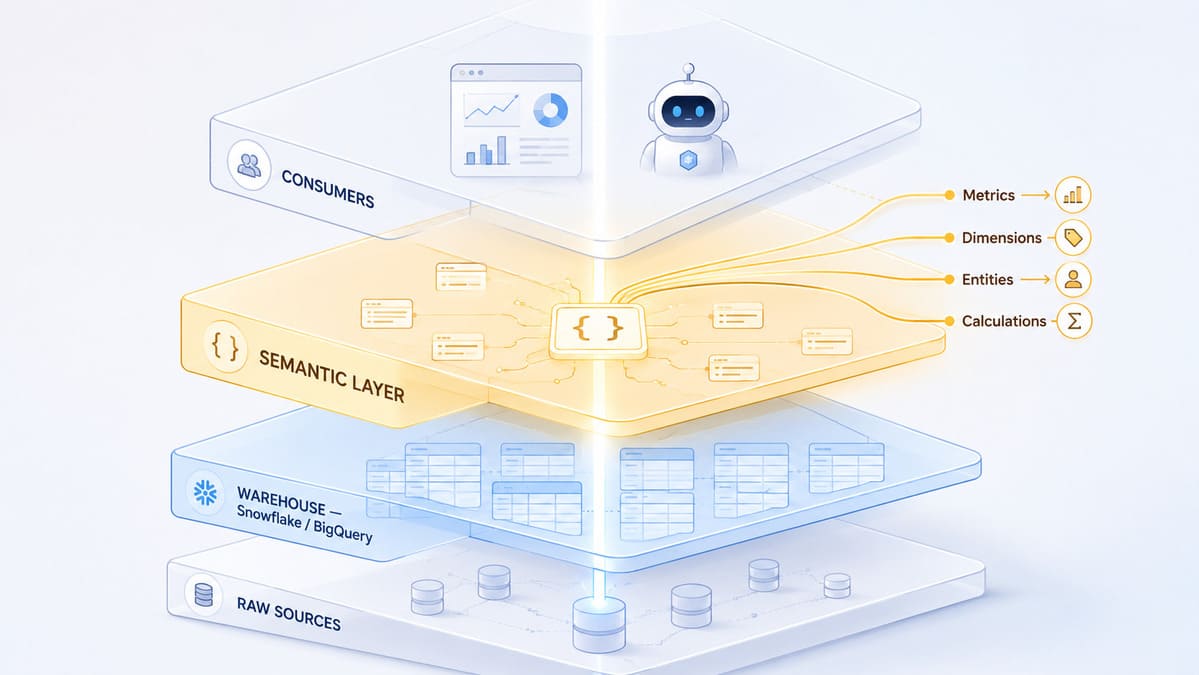
LinkedIn calls it "context engineering." Data teams have called it the semantic layer for a decade. What actually changed in 2026 - and whether to reskill.
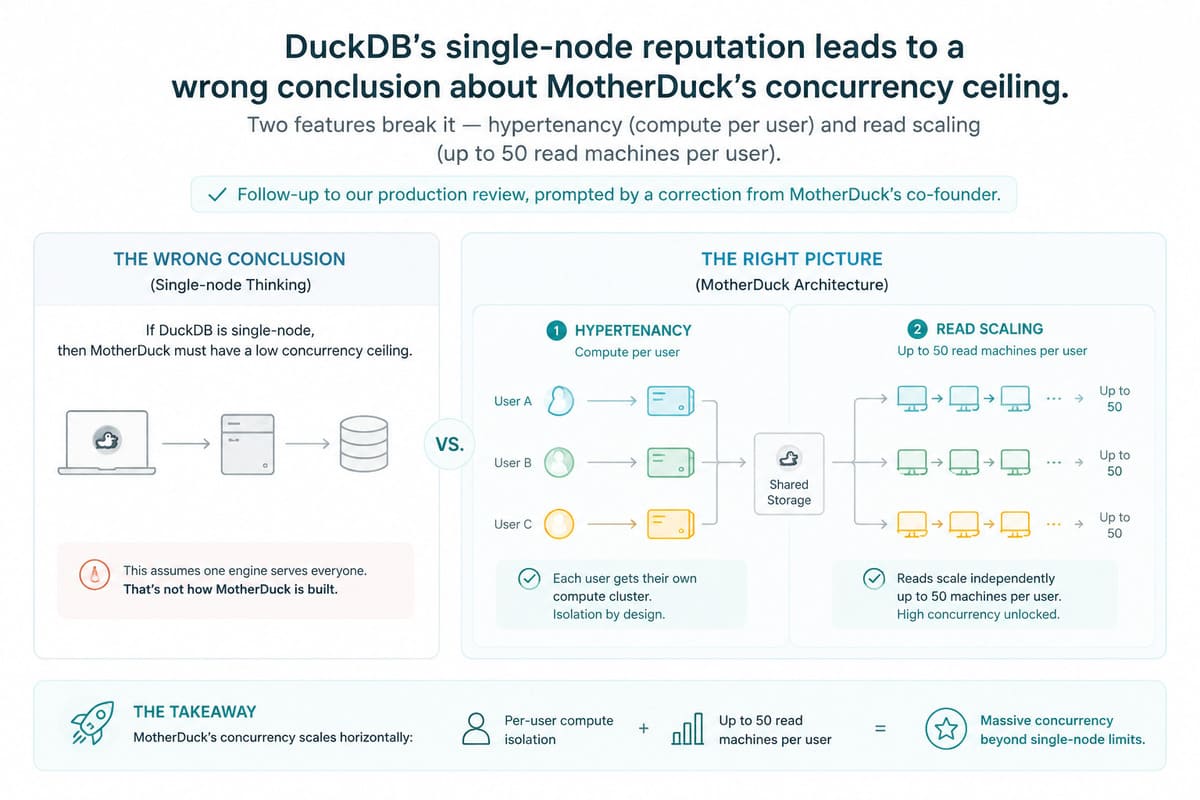
DuckDB's single-node reputation leads to a wrong conclusion about MotherDuck's concurrency ceiling. Two features break it - hypertenancy (compute per user) and read scaling (up to 50 read machines per user). A follow-up to our production review, prompted by a correction from MotherDuck's co-founder.
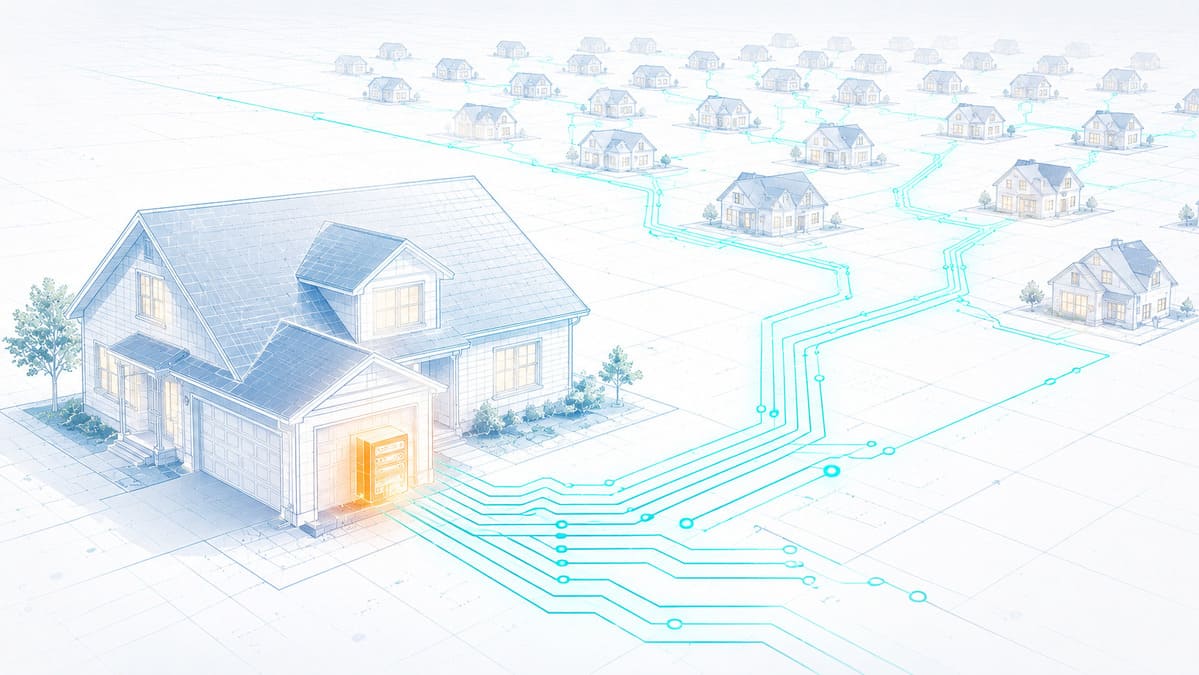
A bold new AI infrastructure idea is emerging: instead of waiting years to build massive data centers, companies want to distribute GPU-powered compute nodes directly into residential homes. NVIDIA, Span, and PulteGroup's XFRA project promises faster deployment, cheaper power access, and a smarter use of the electric grid - but the deeper story is less about "free compute" and more about shifting costs, operational complexity, and grid risk into new places. This article breaks down the real engineering pattern behind XFRA, why distributed edge-style AI infrastructure is technically compelling, and the hidden trade-offs around thermals, reliability, electricity pricing, and long-term utility capacity that most headlines ignore.
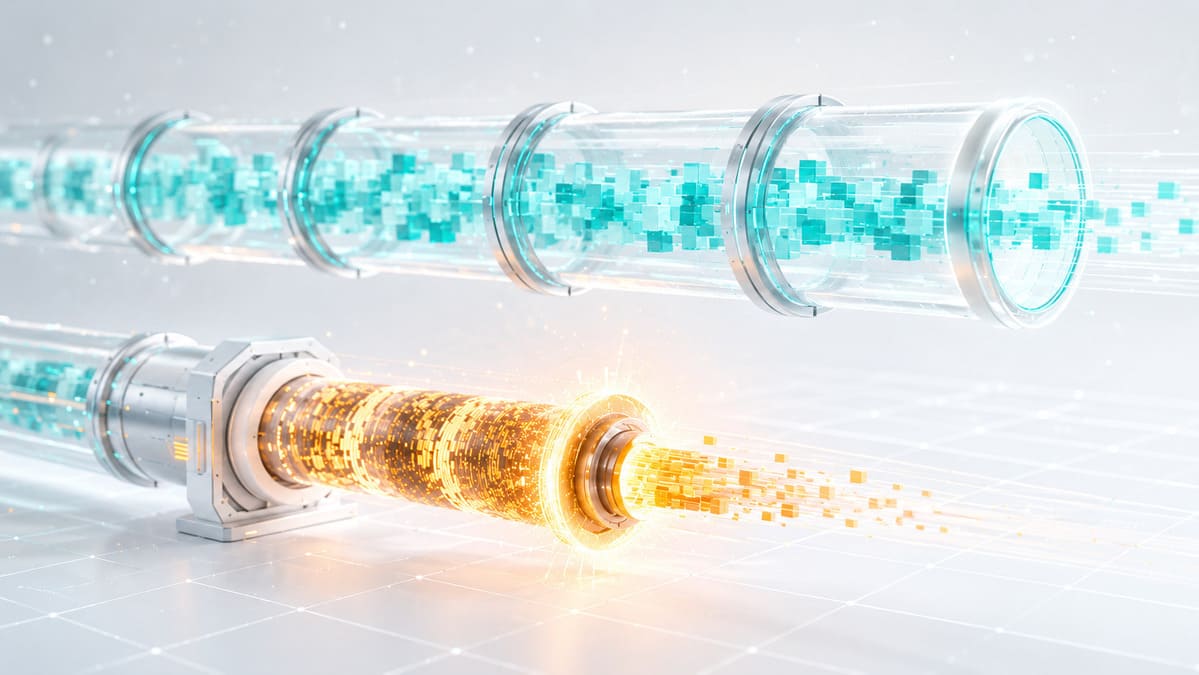
Snowflake's new Interactive Tables sound like a breakthrough for low-latency analytics - but the real story is more nuanced. After digging into the architecture, one thing becomes clear: 👉 Interactive performance doesn't come from "magic faster queries." It comes from keeping compute warm, data cached, and warehouses running continuously. That shifts the trade-off from query latency to infrastructure economics. In this article, I break down: * what Interactive Tables actually are under the hood * how Interactive Warehouses change Snowflake's cost model * where they outperform traditional approaches * where tools like ClickHouse still have an edge * and why "sub-second analytics" is often really a caching strategy The key insight: "Interactive Tables don't make queries cheaper - they make latency more predictable by paying for a warehouse to stay warm." If you work with dashboards, APIs, real-time analytics, or Snowflake architecture, this is a feature worth understanding beyond the marketing layer. #Snowflake #DataEngineering #InteractiveTables #ClickHouse #Analytics #DataArchitecture #ModernDataStack
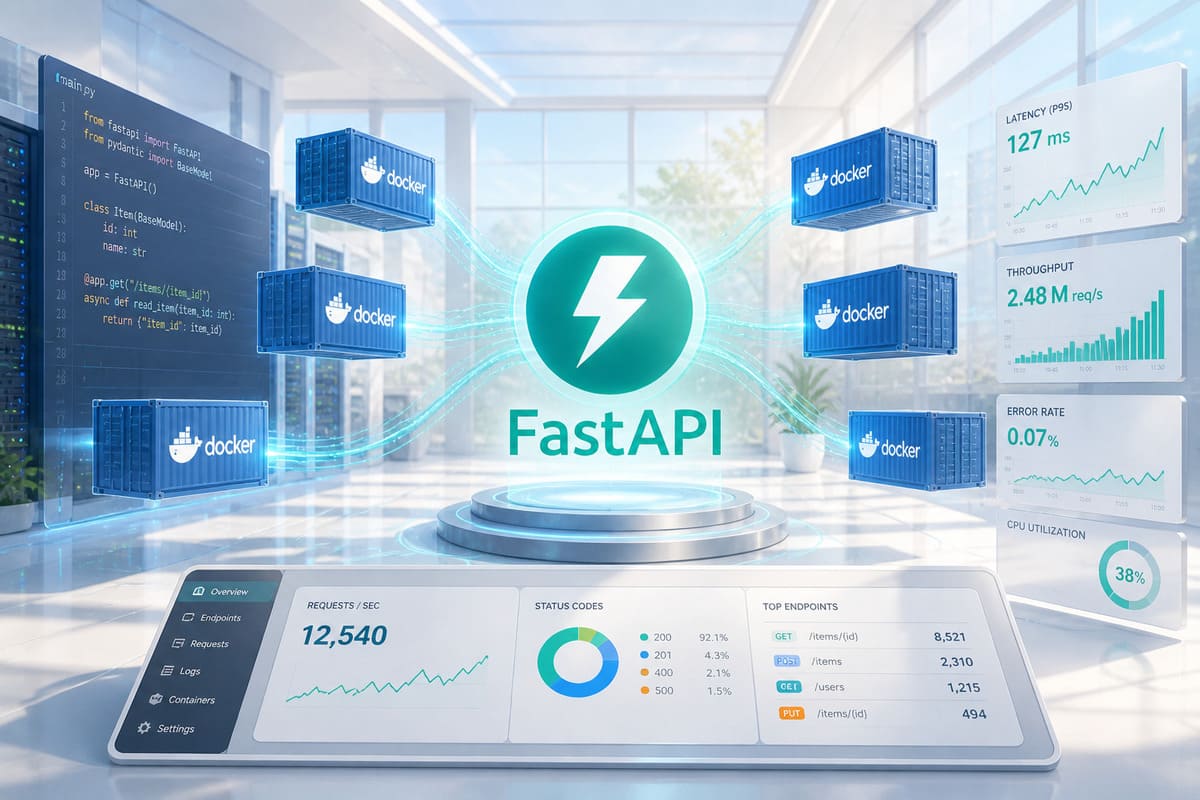
A complete guide to deploying predictive models as production APIs -- FastAPI scoring endpoints, Docker containers, Prometheus monitoring, load testing, and Kubernetes deployment patterns with working code for a 500 req/s credit risk scoring system.

A zero-server budgeting app. Drop a bank CSV into the browser - rule-based plus in-browser ML (Transformers.js + MiniLM) categorize it, detect subscription creep, compare months, find savings. Your transaction data never leaves the tab.

A practical guide to deploying Ollama in a business environment: hardware selection, model choice, API integration, and ongoing maintenance. No PhD required.
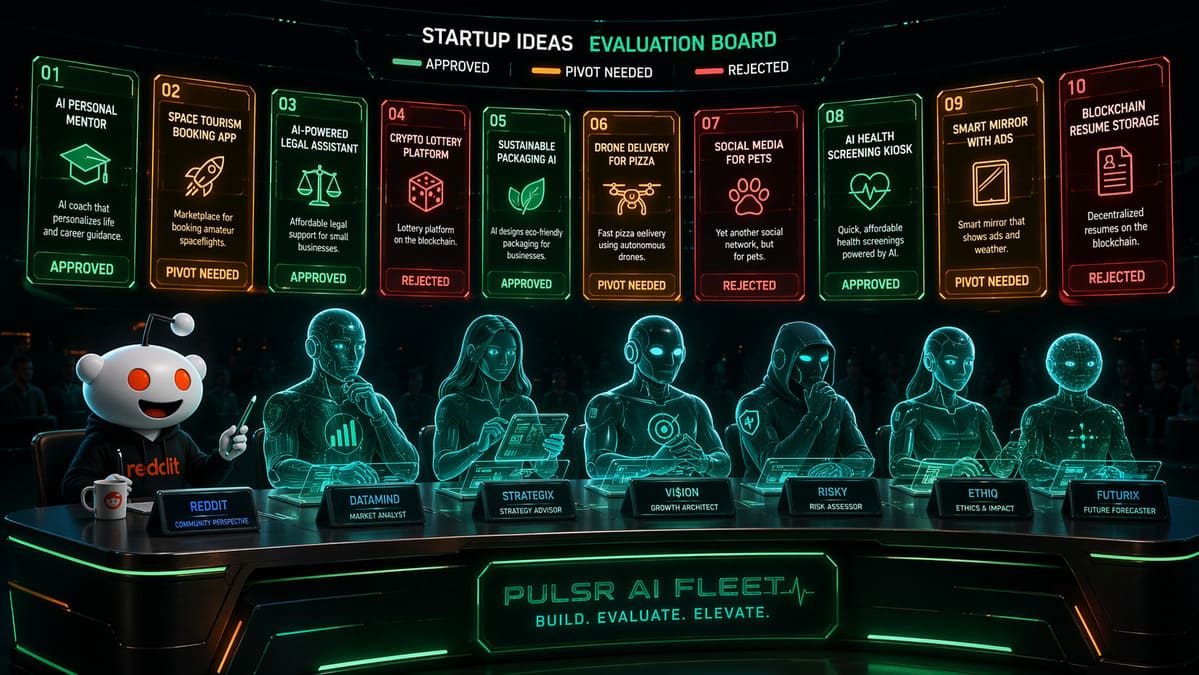
Every week Reddit gets flooded with data tool startup ideas. I ran 10 popular ones through five AI agents on Boss.cc. Four passed, three pivoted to viability, and three were dead on arrival. Here are the results.
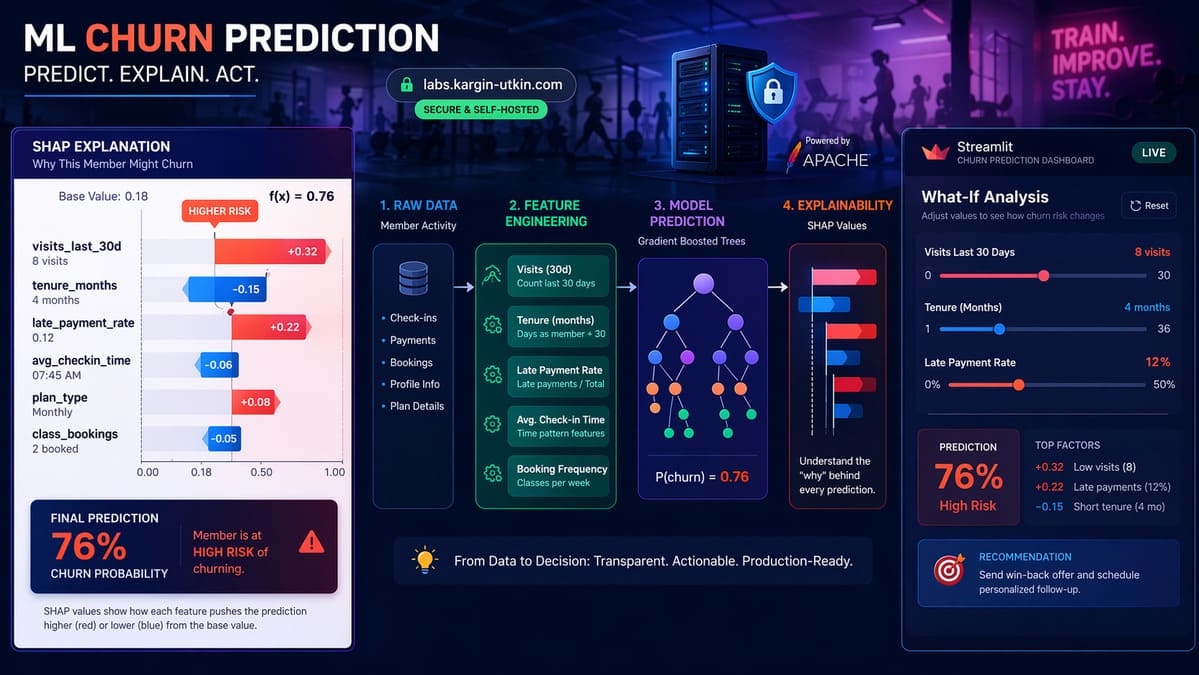
This week I built an end-to-end churn prediction system for fitness studio members - synthetic data generation, feature engineering, model training, SHAP explainability, and an interactive Streamlit demo deployed on my own infrastructure. The goal wasn't to write an expert-level paper on churn modeling. It was to rebuild the kind of system I've seen in production at fitness and franchise chains, end-to-end, so I understand every piece by hand rather than conceptually. Every subscription business loses members. For a fitness chain - Orange Theory, Equinox, a boutique studio - identifying at-risk members before they cancel is worth millions. A retention call to someone about to quit can save an account. The model's job is to output a churn probability and the reasons that probability is what it is - because retention managers can't act on 'this member has 73% churn risk.' They need: 'this member has dropped from 12 visits last month to 3, has two late payments, and lives 8 miles from their home studio.' That's something you can pick up the phone about.