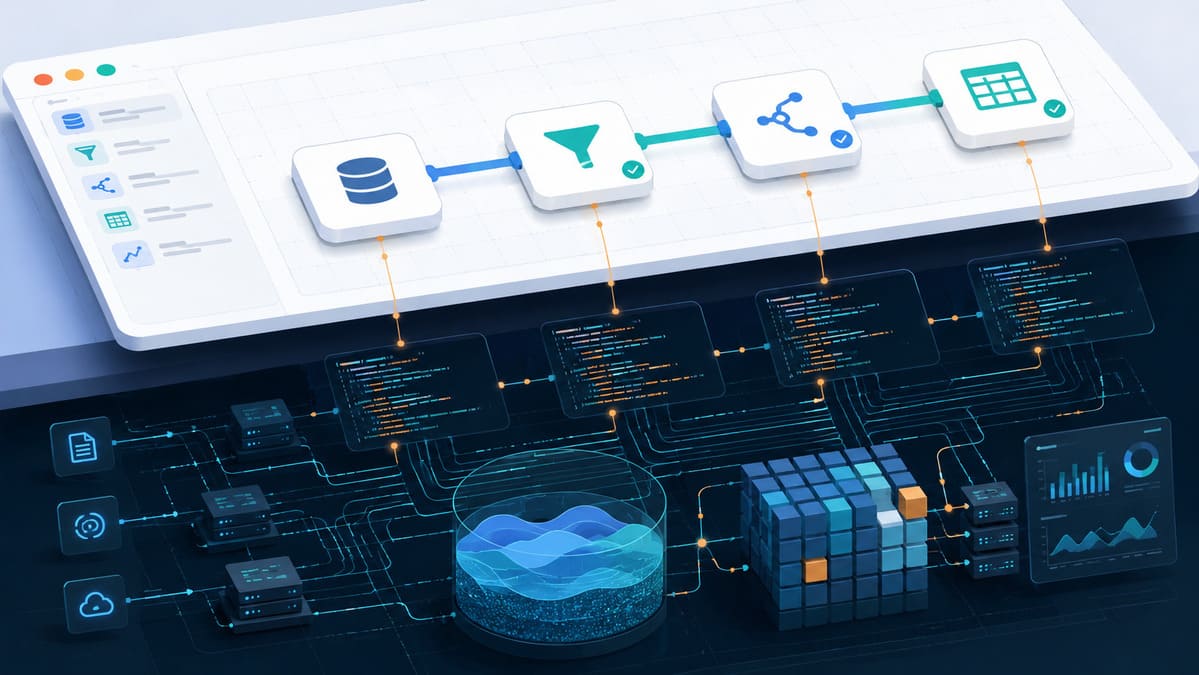
For 40 years we've kept two copies of our data: one to run the business, one to analyze it. And we've spent half our lives building and fixing the pipelines between them. Databricks' new "LTAP" idea says: stop making the second copy. One copy, no pipeline, both jobs read from the same place. It's still early, and the bold claims are theirs, not yet proven. But the reason behind it (agents are now the main users of our data) is not going away.
Category: Databricks
Databricks Lakeflow Designer: No-Code ETL for Analysts - and New Work for Data Engineers
What Databricks Lakeflow Designer really means for data engineers: how it works under the hood, the CI/CD and lineage gaps, and how to set guardrails.
Seven Data Platforms
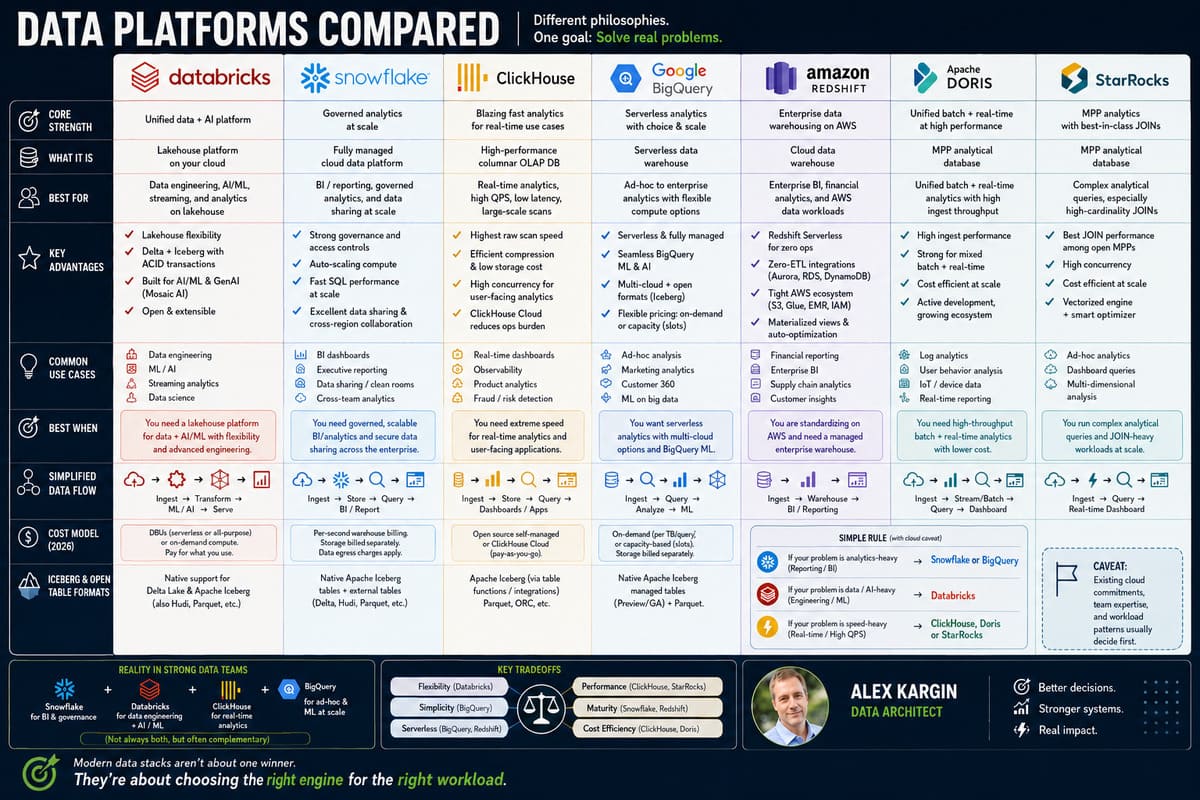
Most teams ask the wrong question when choosing a data platform in 2026. The real issue isn't whether Snowflake, Databricks, ClickHouse, BigQuery, or Redshift is "better" - it's whether the platform matches the workload you're actually running. In this article, Alex Kargin breaks down four core workload patterns - governed BI, AI/ML engineering, real-time analytics, and ad-hoc exploration - and explains why architecture, operational constraints, and cost models matter more than benchmark charts. The piece also explores how Apache Iceberg is reshaping the modern data stack, making platform decisions less about vendor lock-in and more about choosing the right compute engine for the job.
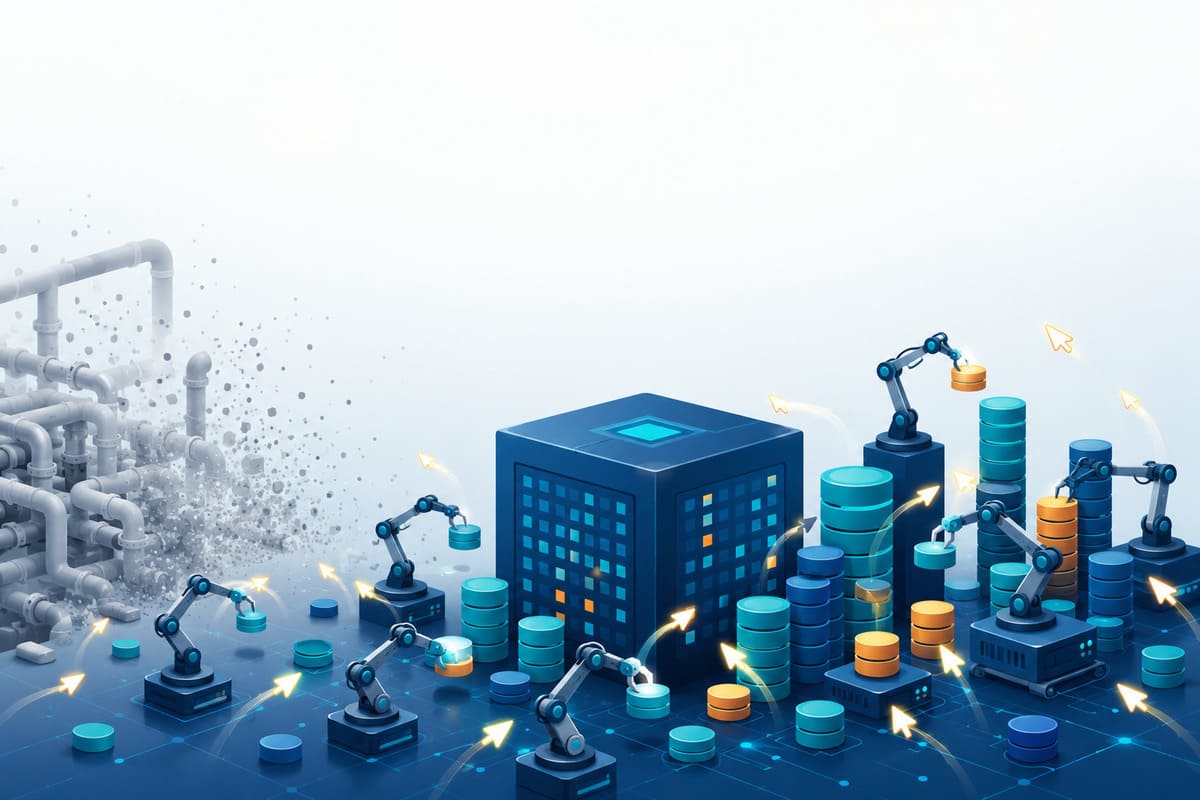
AI Agents Now Create 80% of New Databases on Databricks - What That Means for Data Engineers
Databricks reports that AI agents - not humans - spin up the majority of new databases across 20,000+ customer environments. Multi-agent workflows grew 327% in four months. Here is what this shift looks like day-to-day and how the data engineer role is evolving from builder to architect.