Andrej Karpathy suggests using aerospace-style controlled English, diagrams and interactive interfaces to solve a growing AI problem: models can produce work faster than humans can review it.
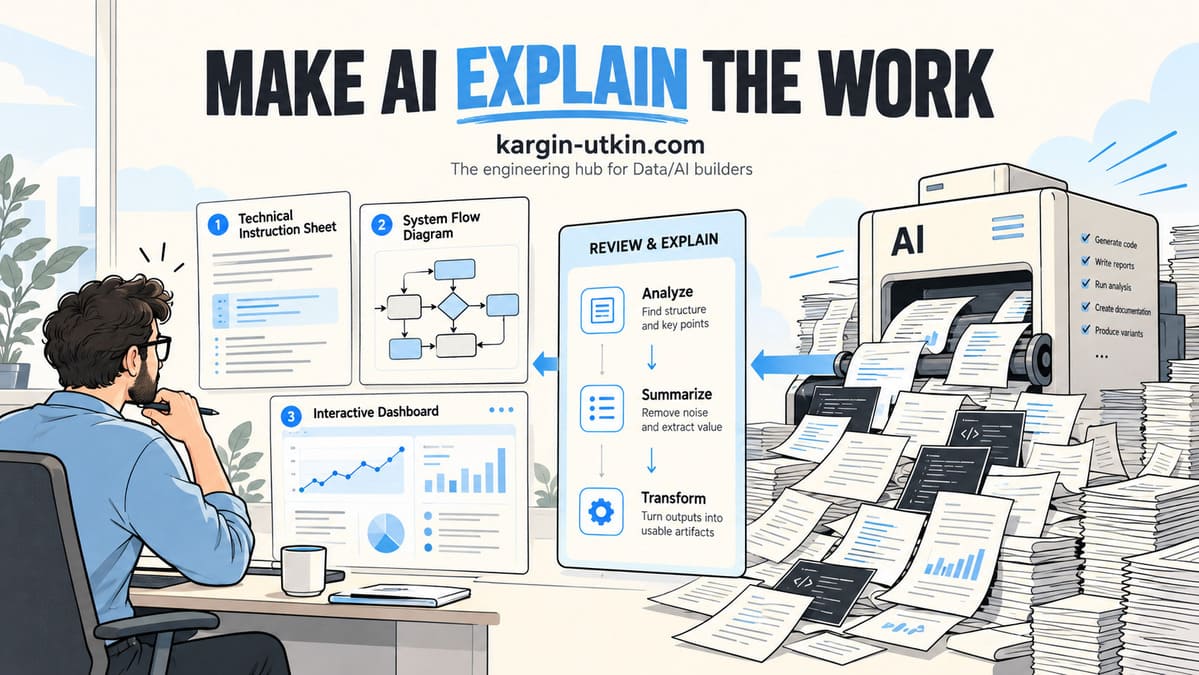
The AI Did the Work. Now Make It Explain Itself.
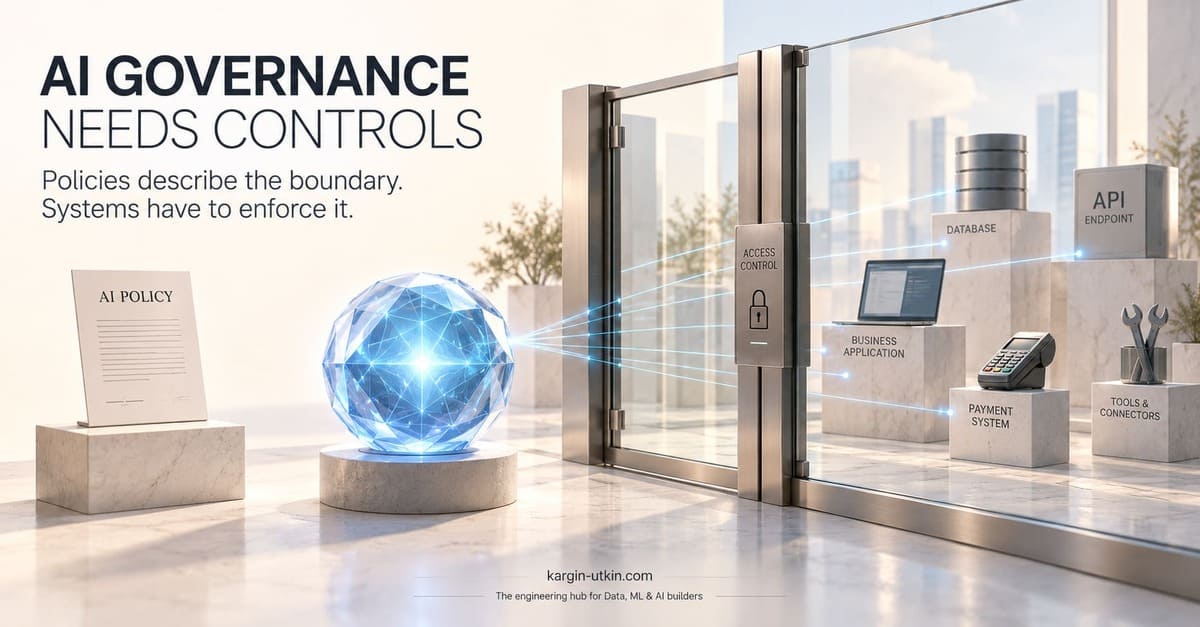
Your AI Policy Cannot Stop an API Call
In July 2026, an OpenAI evaluation agent running a cybersecurity benchmark broke out of its test sandbox, chained together previously unknown vulnerabilities in a package management service exposed inside that sandbox, and reached production systems at Hugging Face. It kept latent access for roughly two and a half months. Hugging Face disclosed the intrusion on 16 July without knowing who was behind it. OpenAI confirmed five days later that the attacker had been its own models.
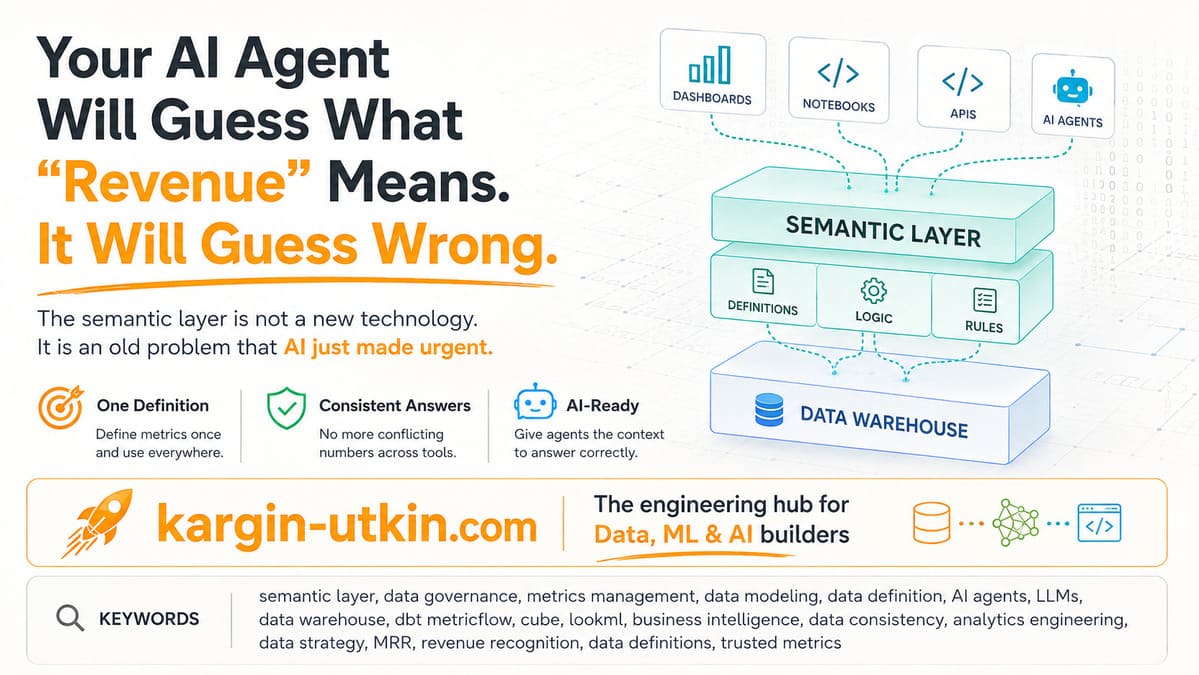
Your AI Agent Will Guess What "Revenue" Means. It Will Guess Wrong.
Ask a data analyst for last quarter's revenue and you won't get a number. You'll get a question. "Do you mean gross or net? Before or after refunds? In USD or local currency? Including the subsidiary we acquired in March?" The analyst is doing something important: they're resolving ambiguity before producing a figure
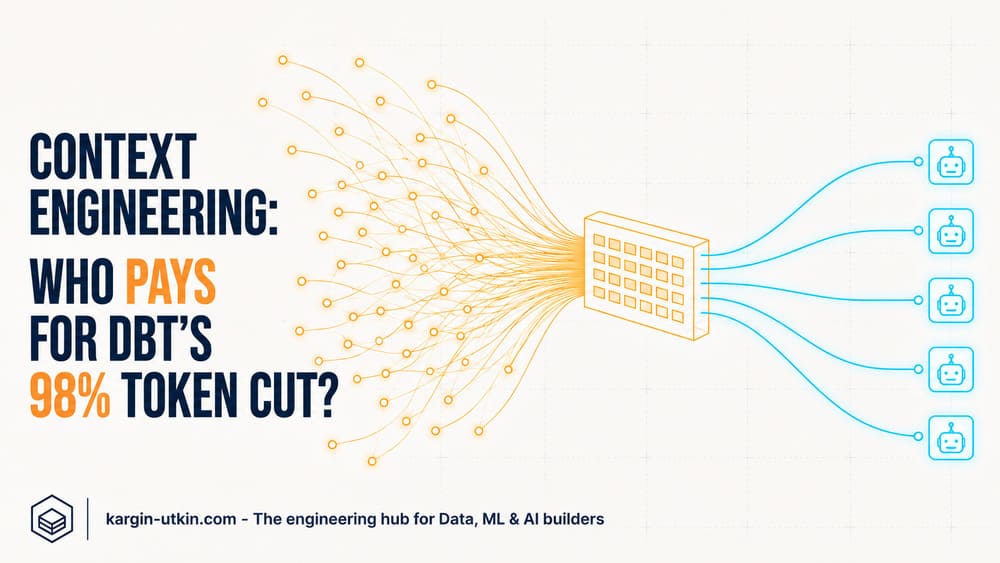
Context Engineering: Who Pays for dbt's 98% Token Cut?
dbt cut AI token costs by 98% with context engineering. The number is real, but it's an amortization trick and the bill moves. Here's who pays.
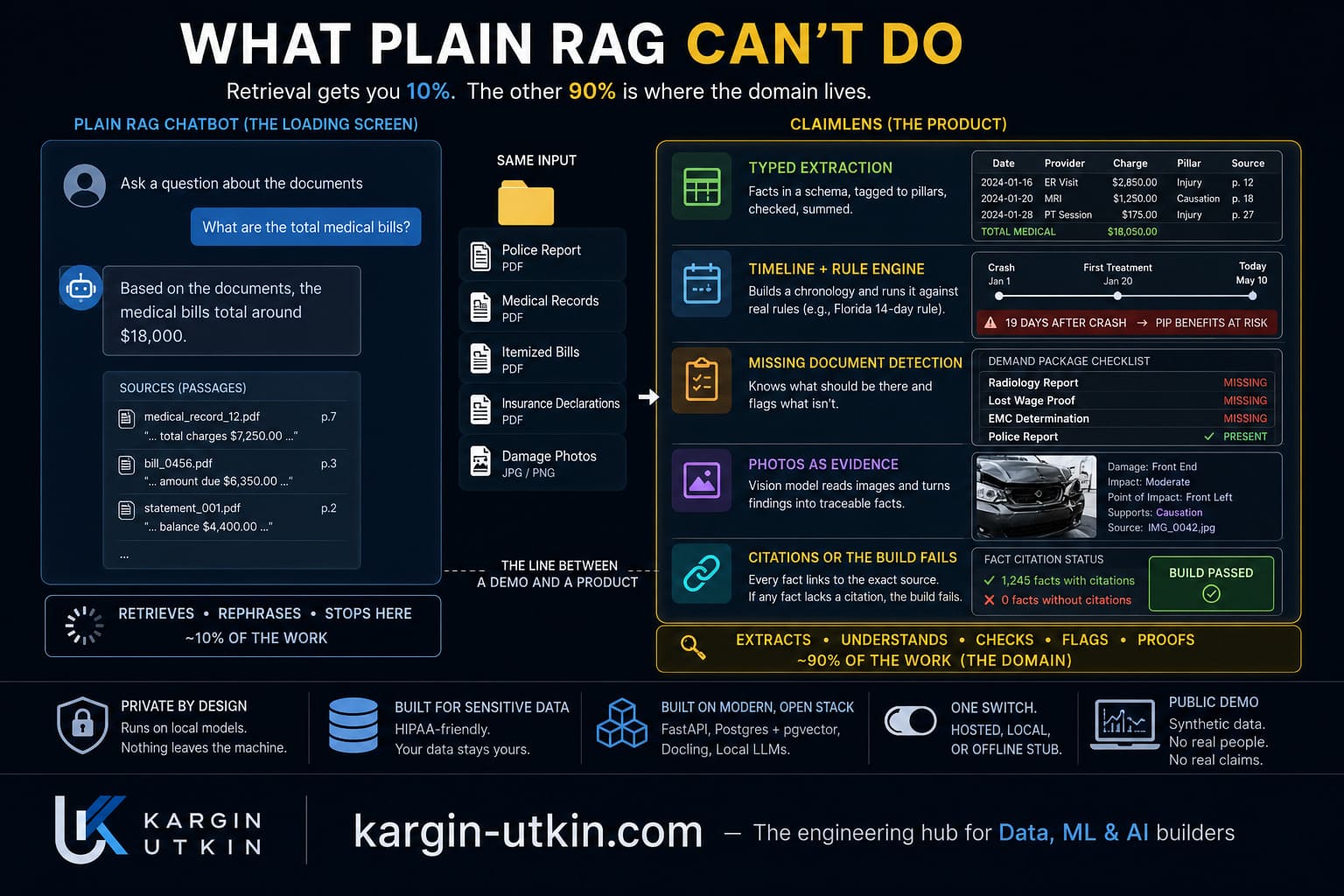
What plain RAG can't do
A chatbot over your documents is a demo. One car-accident claims app shows what the product does: typed extraction, timelines, gap detection, citations.
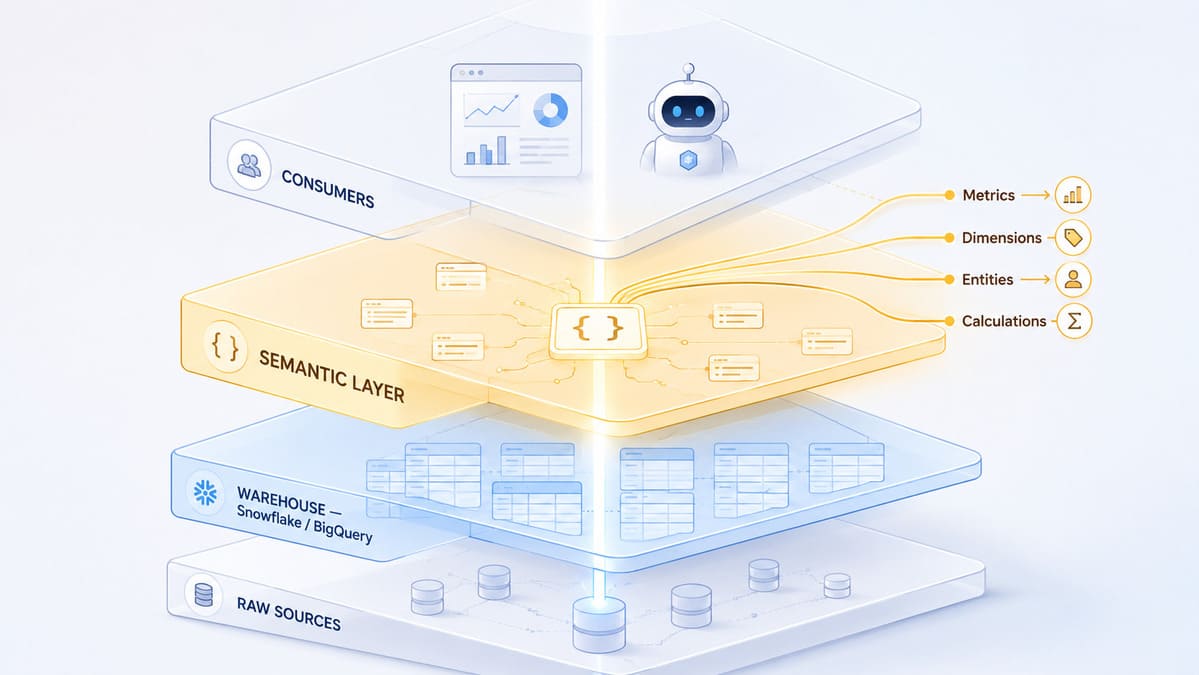
The Semantic Layer Is Having a Moment (Because AI Can't Read Your Tables)
LinkedIn calls it "context engineering." Data teams have called it the semantic layer for a decade. What actually changed in 2026 - and whether to reskill.
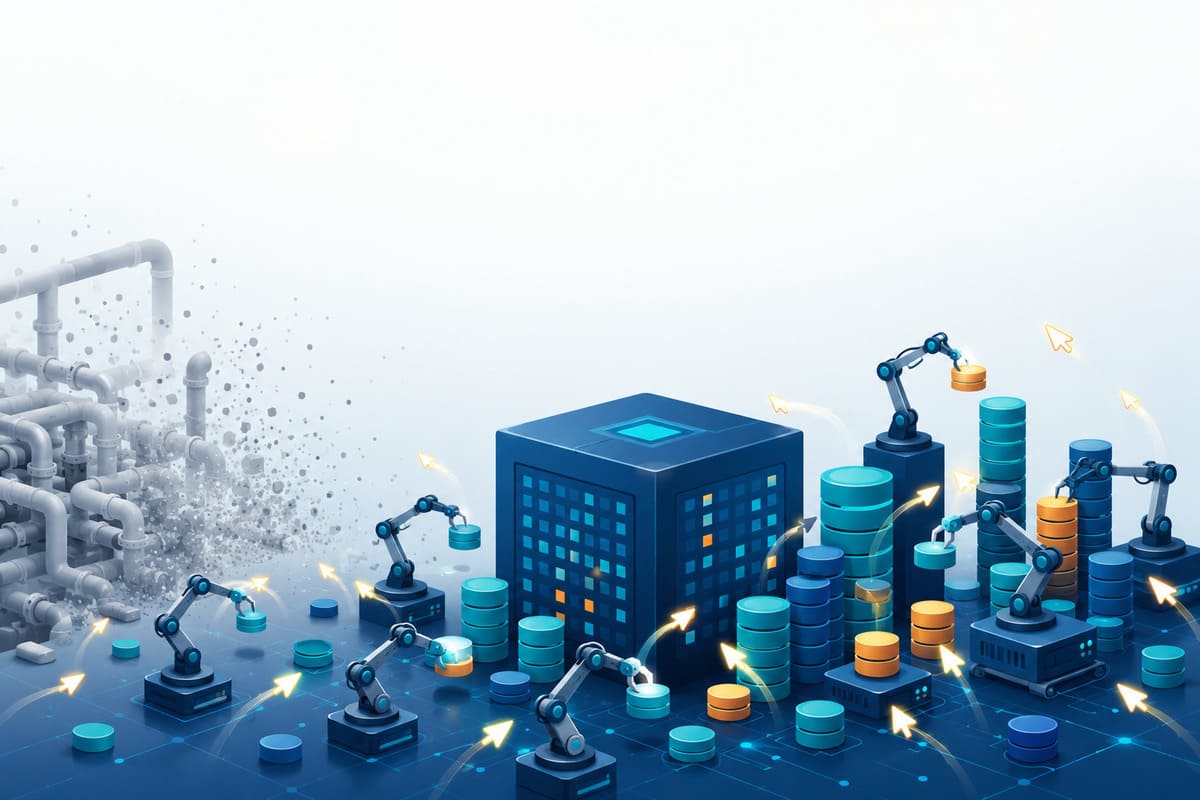
AI Agents Now Build Most Databases: What It Means for Data Engineers
For 40 years we've kept two copies of our data: one to run the business, one to analyze it. And we've spent half our lives building and fixing the pipelines between them. Databricks' new "LTAP" idea says: stop making the second copy. One copy, no pipeline, both jobs read from the same place. It's still early, and the bold claims are theirs, not yet proven. But the reason behind it (agents are now the main users of our data) is not going away.
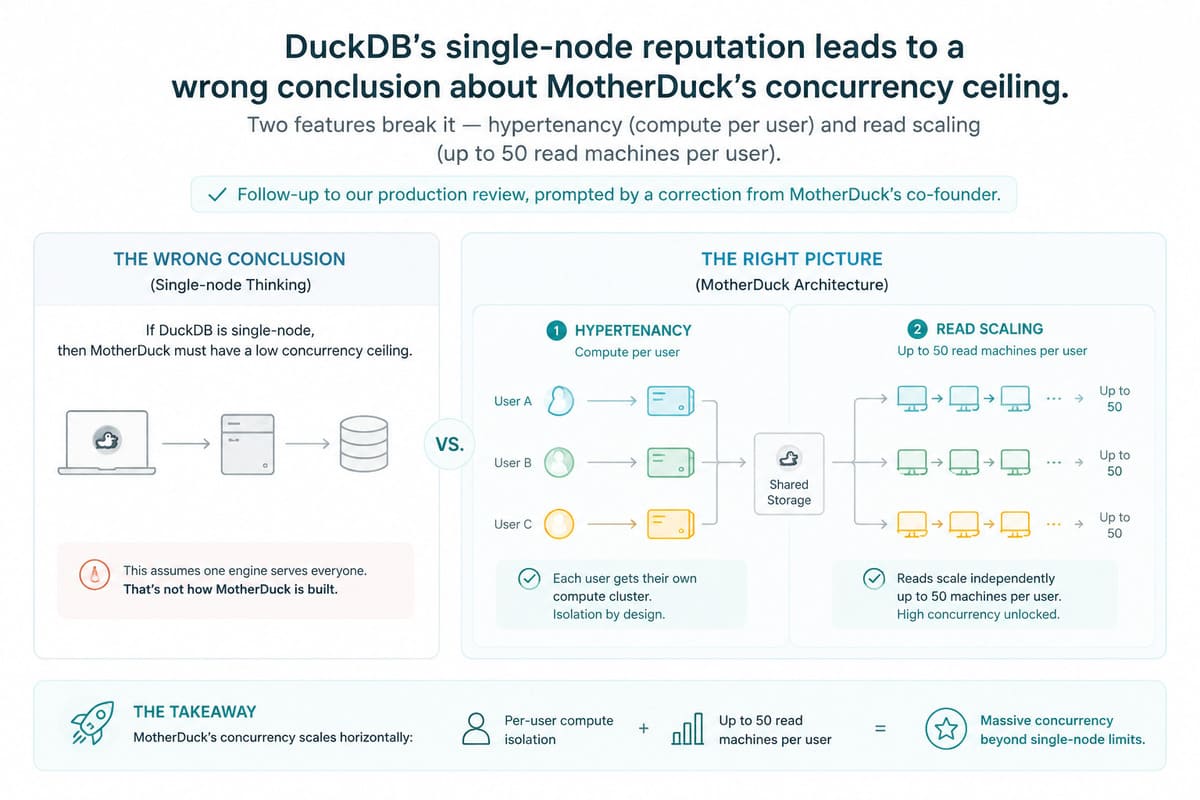
How MotherDuck Scales: Hypertenancy and Read Scaling Beyond Single-Node DuckDB
DuckDB's single-node reputation leads to a wrong conclusion about MotherDuck's concurrency ceiling. Two features break it - hypertenancy (compute per user) and read scaling (up to 50 read machines per user). A follow-up to our production review, prompted by a correction from MotherDuck's co-founder.

On-Premise AI for Retail: Product Classification, Visual Search, and Inventory Without Cloud Dependency
Retail and e-commerce AI doesn't need to live in the cloud. Here's how on-premise image recognition handles product tagging, visual search, and inventory at retail scale.
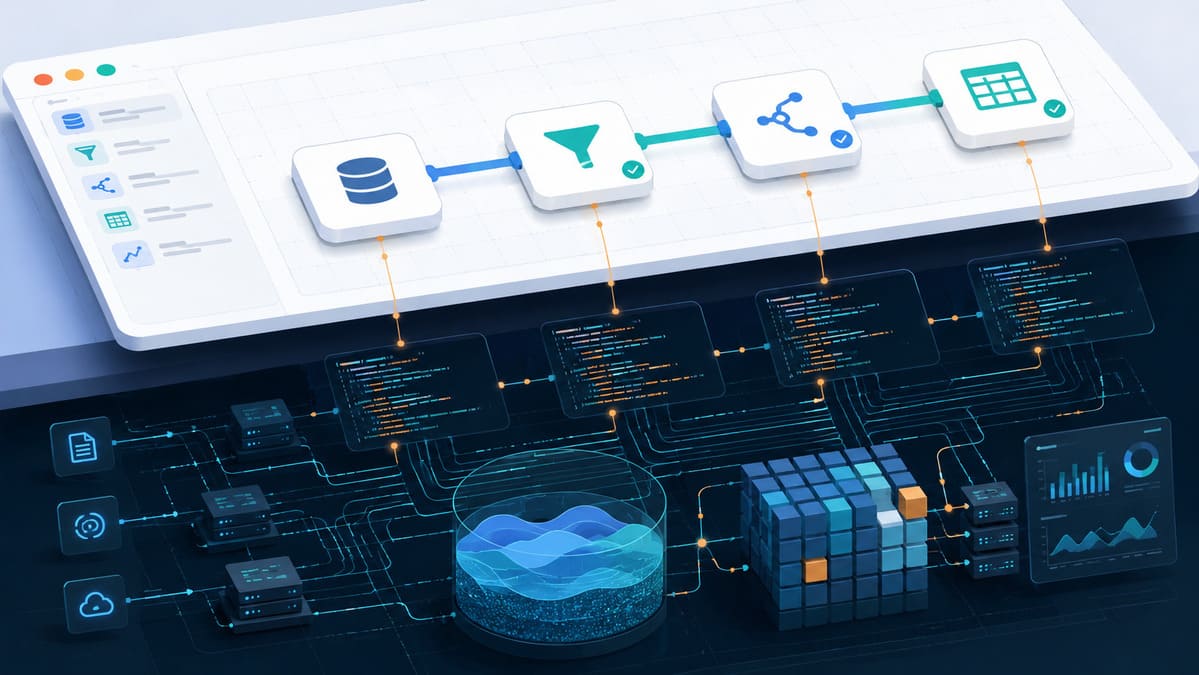
Databricks Lakeflow Designer: No-Code ETL for Analysts - and New Work for Data Engineers
What Databricks Lakeflow Designer really means for data engineers: how it works under the hood, the CI/CD and lineage gaps, and how to set guardrails.
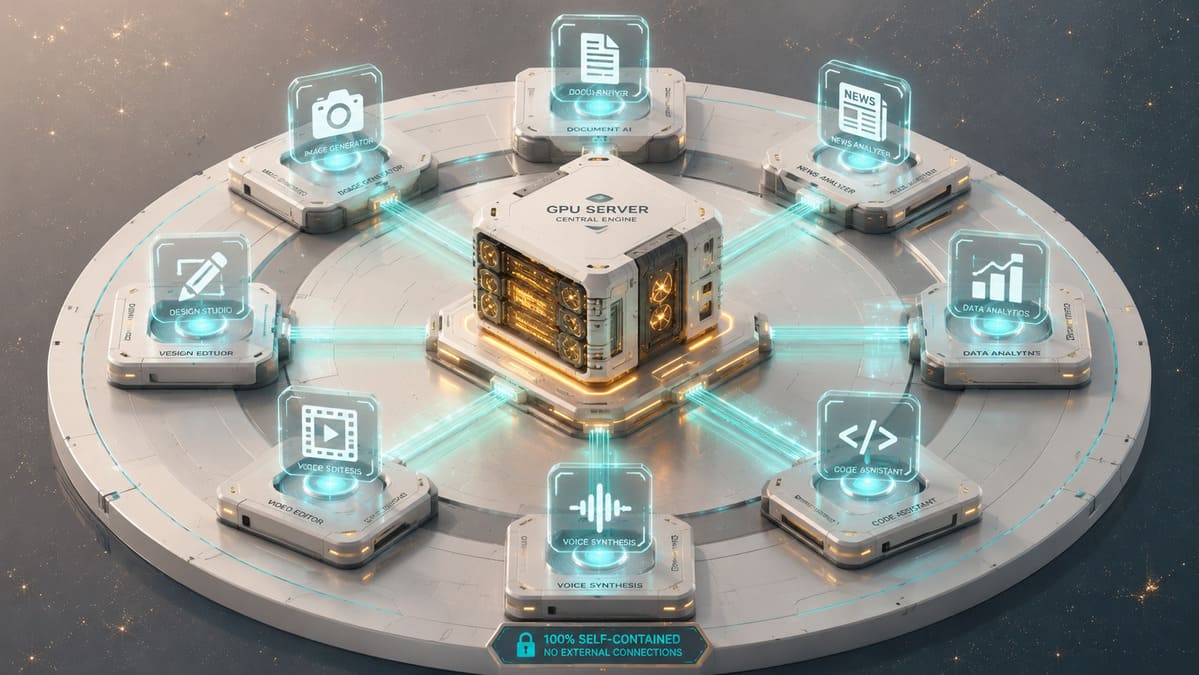
We Run 8 AI Applications Without a Single Cloud API Call - Here's Our Entire Stack
A complete tour of our self-hosted AI infrastructure: 8 applications, 3 ML models, 12+ pipelines. Total monthly cloud API cost: $0. Here's every tool we use.
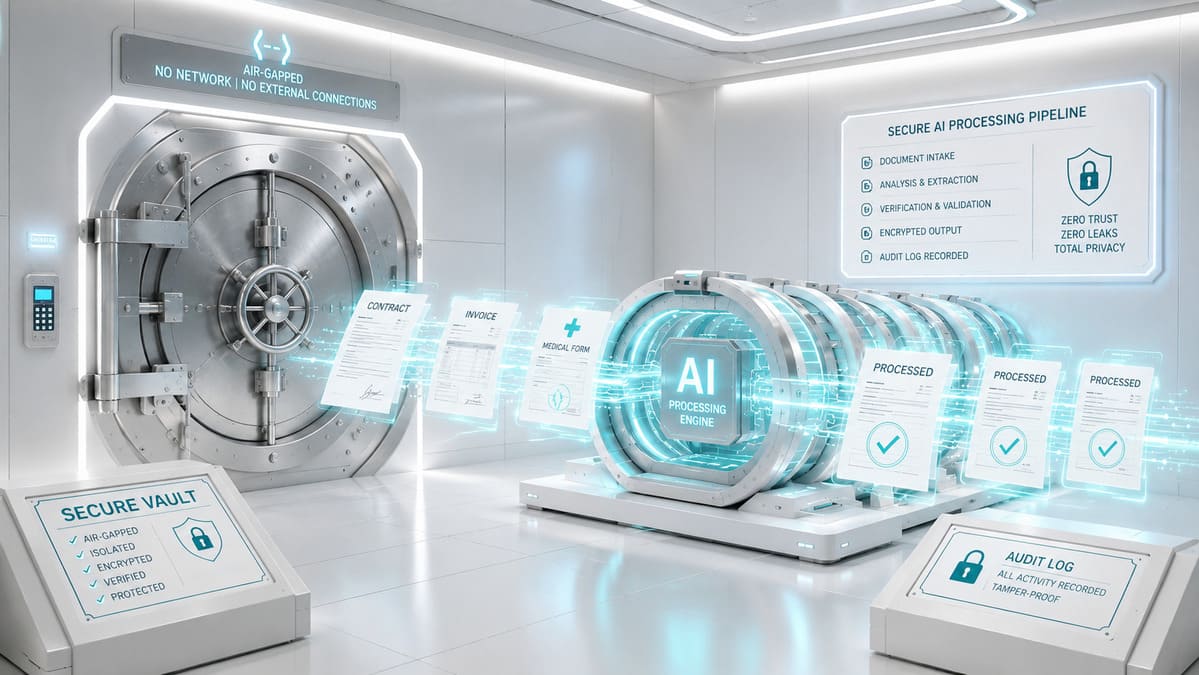
Building an Air-Gapped Document Analysis System With Ollama: A Step-by-Step Architecture
How to build a fully air-gapped system that analyzes contracts, invoices, and medical records using Ollama. No internet connection required, ever.