
A figure Databricks shared in early 2026 made the rounds for an uncomfortable reason: a large majority of new databases on the platform were reportedly being created by AI agents rather than by hand, with multi-agent workflows growing several-fold in a matter of months. Whatever the exact numbers, the direction is real and at enterprise scale. It raises the question every data engineer is quietly turning over: if agents are provisioning the schemas, what's left for the people who used to?
What the agents are actually doing
It helps to be precise, because "agents create 80% of databases" sounds more dramatic than the reality. What agents are good at here is the mechanical, well-specified part: turning a described intent ("a table for orders with these fields and these constraints") into a correct CREATE TABLE, provisioning a database, wiring up standard configuration, generating boilerplate schemas that follow established conventions. This is the work that was always more typing than thinking - and offloading it is genuinely useful.
What agents do well
- Generating syntactically correct DDL from a clear specification.
- Applying consistent naming, types, and conventions across many objects.
- Provisioning and configuring standard setups quickly.
- Producing first-draft schemas a human then refines.
What agents do poorly
- Modeling decisions with tradeoffs - normalize or denormalize, how to partition, what grain a fact table should be. These depend on access patterns and cost the agent doesn't see.
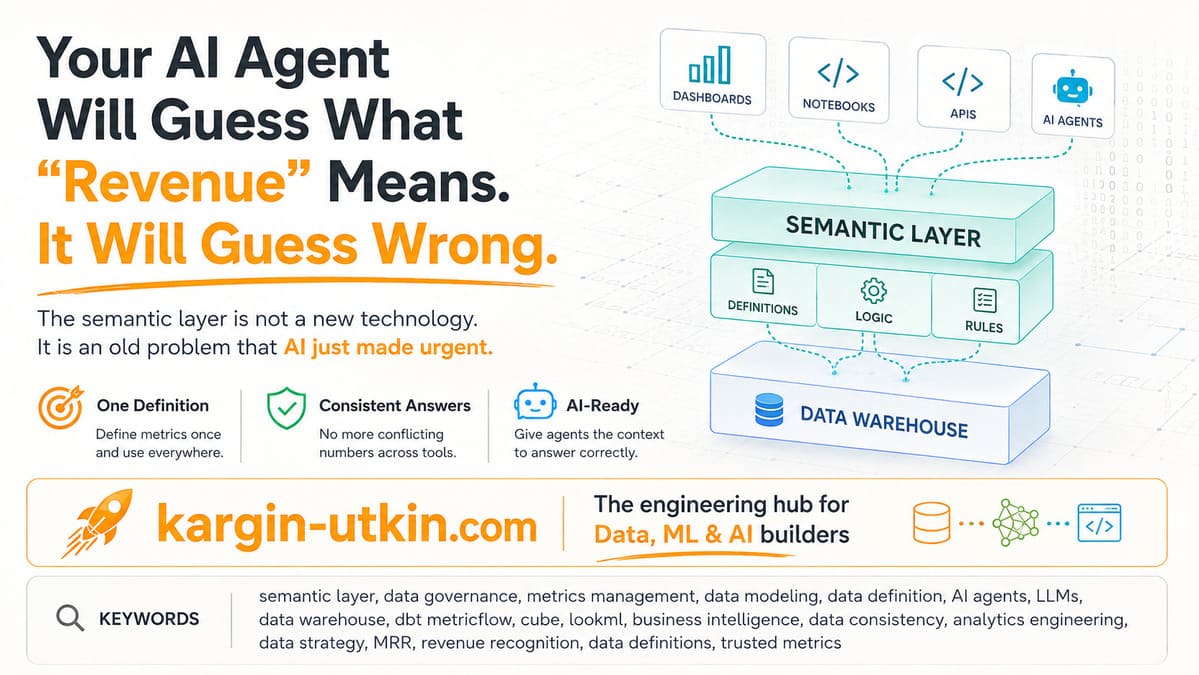
- Domain meaning - knowing that "customer" means three different things to three departments, and which one this table is for.
- Consequences at scale - a schema that's fine at a million rows and a disaster at a billion.
- The why - agents produce structure; they don't own whether it was the right structure.
How the role shifts
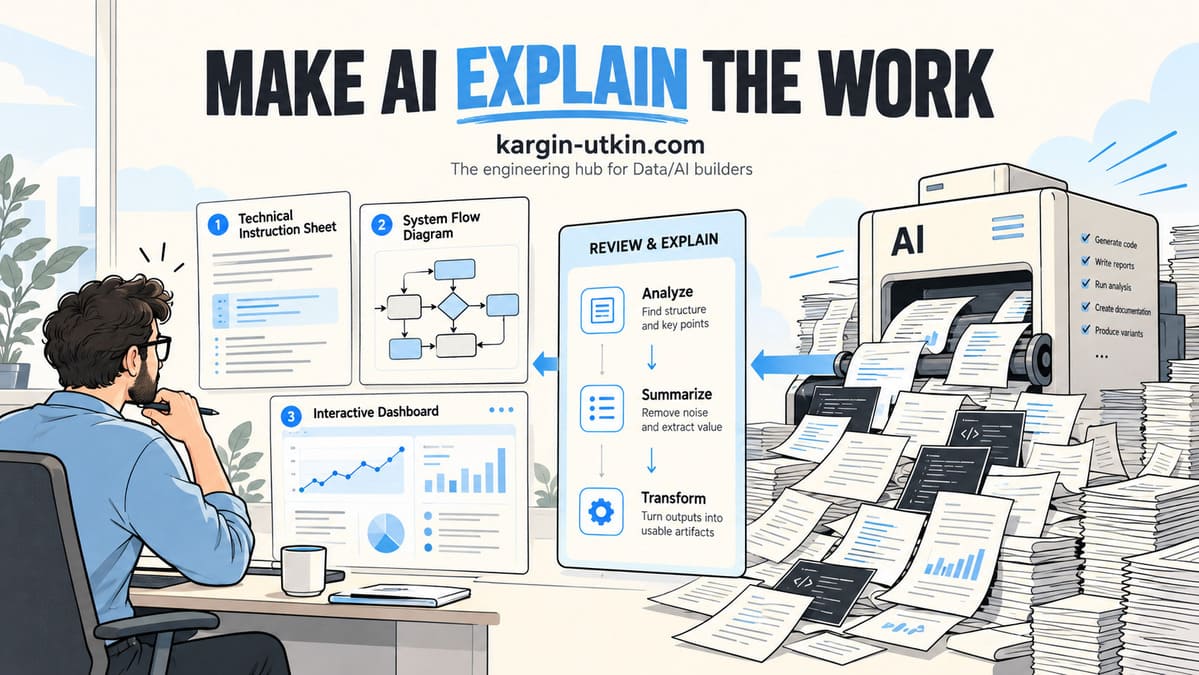
The pattern mirrors what happened when ORMs and migration tools automated hand-written SQL, and when cloud automated rack-and-stack: the mechanical layer gets delegated and the work moves up. A data engineer spends less time typing DDL and more time on the decisions that DDL encodes - data modeling, access patterns, cost, governance, and reviewing what the agents produced. "Created by an agent" still needs someone who can tell a good schema from a plausible one.
What it means in practice
Treat agent-generated schemas the way you'd treat a junior engineer's pull request: useful, fast, and in need of review. The skill that gains value isn't writing CREATE TABLE from memory - it's judgment about structure, the ability to spot the partitioning choice that will hurt in six months, and the domain understanding that tells you what the data actually means. The provisioning is being automated. The deciding is not. Engineers who lean into the deciding will find agents make them faster; engineers who only typed DDL will feel the floor move.

Leave a Comment