Skip to content
  • AI
  • Analytics
  • AWS
  • ClickHouse
  • Data
  • Databricks
RSS|News RSS|

Data & ML Engineering

  • Home
  • News
  • Companies
  • Learn
  • AI
  • Analytics
  • AWS
  • ClickHouse
  • Data
  • Databricks
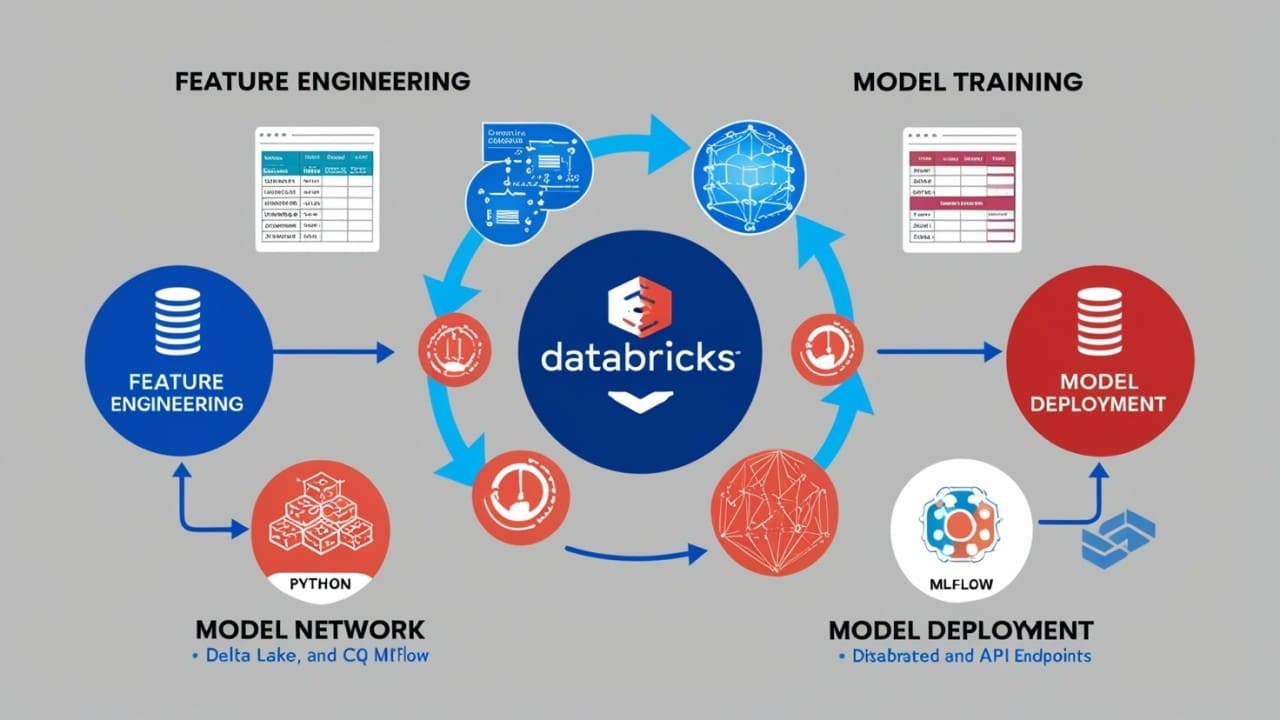
Databricks for Machine Learning
  • ML
  • Databricks

Databricks for Machine Learning

Ustas|Jun 22, 2024|3 min read
Read More
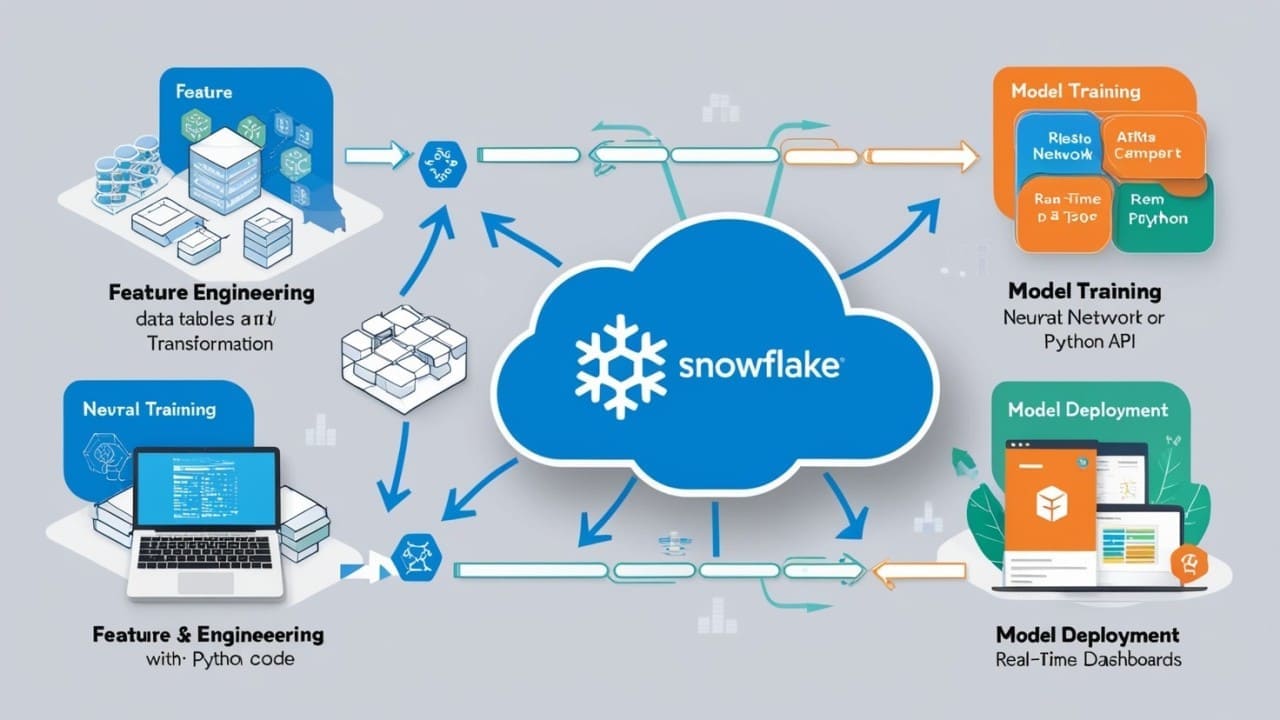
Snowflake for Machine Learning
  • ML
  • Snowflake

Snowflake for Machine Learning

Ustas|Jun 12, 2024|3 min read
Read More
Avoiding Common Snowflake Cost Traps
  • Snowflake

Avoiding Common Snowflake Cost Traps

Ustas|May 23, 2024|4 min read
Read More
How AI is Transforming the Role of a Data Engineer
  • Data

How AI is Transforming

Ustas|May 3, 2024|2 min read
Read More
My Biggest Data Engineering Mistake
  • Data

My Biggest Data Engineering Mistake

Ustas|Apr 26, 2024|3 min read
Read More
Implementing Data Quality & Observability
  • Data

Implementing Data Quality & Observability

Ustas|Apr 10, 2024|4 min read
Read More
Microsoft Fabric vs. AWS
  • Data
  • VS

Microsoft Fabric vs. AWS

Ustas|Mar 3, 2024|6 min read
Read More
Optimizing Snowflake Performance
  • Snowflake

Optimizing Snowflake Performance

Ustas|Feb 22, 2024|5 min read
Read More
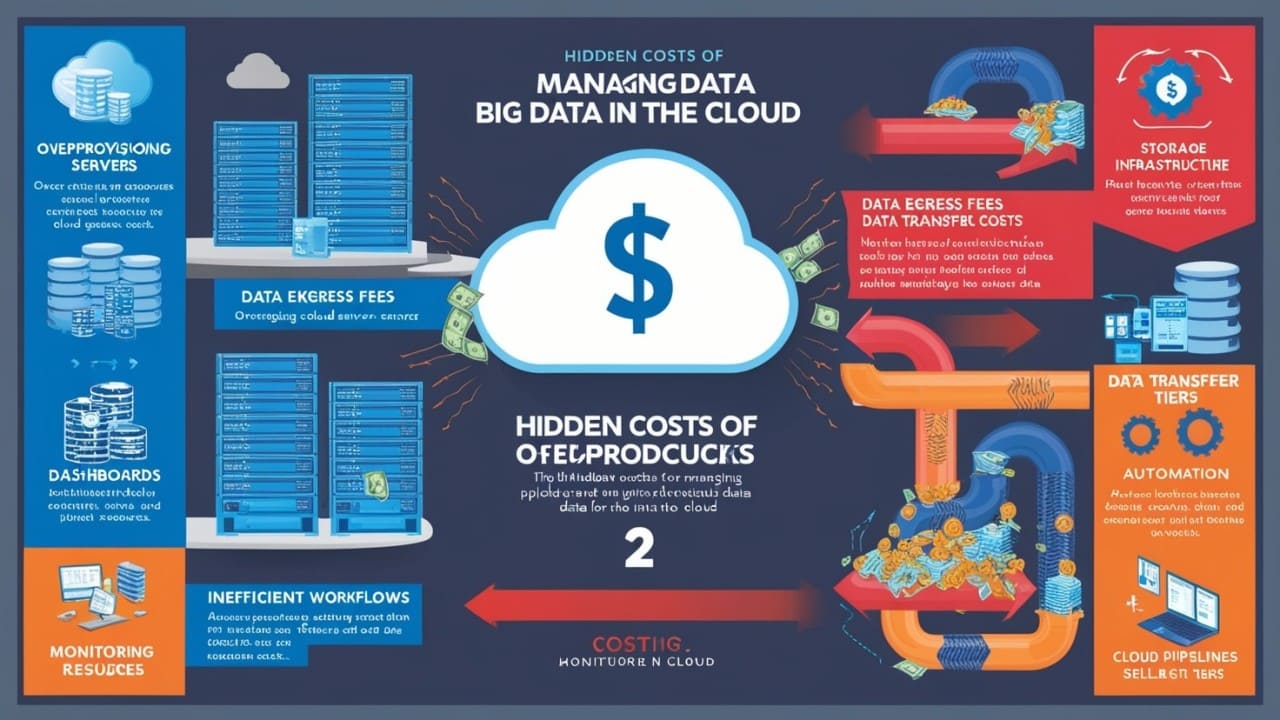
The Hidden Costs of Big Data
  • Data

The Hidden Costs of Big Data

Ustas|Feb 2, 2024|4 min read
Read More
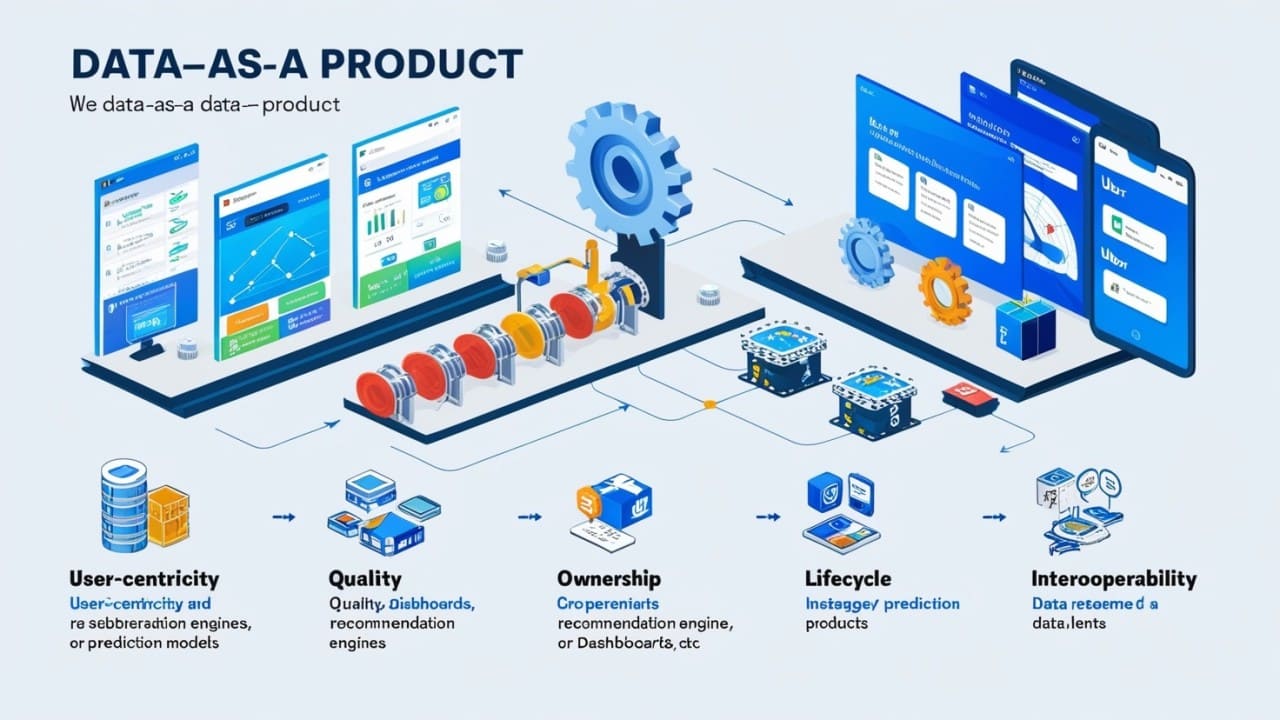
In the age of digital transformation, data has moved beyond being just a byproduct of operations. It has become a strategic asset. The concept of treating data as a product (DaaP) is gaining traction, fundamentally changing how businesses think about and utilize their data. For data engineers, this shift is both exciting and transformative, redefining roles, responsibilities, and the way teams operate. Let’s explore the core principles of Data-as-a-Product, how it’s reshaping the responsibilities of data teams, and examples of companies leading the charge. Core Principles of Data-as-a-Product At its heart, treating data as a product means applying the same principles used to develop and manage consumer-facing or internal products. Here are the key pillars: 1. User-Centric Approach - Data is treated as a deliverable for end-users, whether they are analysts, data scientists, or external partners. - Data products must be designed with usability in mind, ensuring they are accessible, reliable, and actionable. 2. Defined Ownership - Like any product, data products require clear ownership. Teams or individuals are responsible for the creation, quality, and delivery of the data product. 3. High-Quality Standards - Data-as-a-Product emphasizes quality—clean, complete, and consistent datasets that users can trust. - Monitoring and metrics are put in place to ensure quality doesn’t degrade over time. 4. Lifecycle Management - Data products have a lifecycle, including development, deployment, maintenance, and eventual retirement. Continuous iteration is key. 5. Interoperability - Data products must integrate seamlessly with existing tools, systems, and workflows to maximize their value. How It Changes the Responsibilities of Data Teams 1. From Builders to Product Owners Data engineers are no longer just builders of pipelines and storage solutions. With DaaP, they take on a product management mindset: - Understanding User Needs: Engage with stakeholders to identify what data they need and how they’ll use it. - Iterative Development: Deliver minimum viable data products (MVDPs) and improve them based on feedback. - Communicating Value: Articulate the impact of data products to the business, bridging the gap between technical and non-technical teams. 2. Focus on Scalability and Reusability Data products are not one-off solutions. They are designed for reuse across multiple teams and applications: - Modular architectures ensure components can be easily scaled or adapted. - Documentation and metadata become critical for enabling self-service analytics. 3. Emphasis on Data Quality and Reliability - Proactive monitoring and alerting systems to ensure uptime and accuracy. - Automated testing of data pipelines to catch errors early. 4. Collaboration with Data Consumers - Engineers must work closely with analysts, scientists, and business units to ensure data products meet their requirements. - Shared accountability ensures that everyone has a stake in the success of the data product. Real-World Examples of Data-as-a-Product Netflix: Personalized Recommendations Netflix treats its recommendation system as a data product: - Data engineers ensure the system ingests, processes, and analyzes massive volumes of viewer data in real-time. - Continuous feedback loops allow the recommendation engine to improve based on user interactions. Shopify: Merchant Analytics Dashboards Shopify provides merchants with analytics dashboards as a core product offering: - Data engineers build pipelines to aggregate sales, traffic, and marketing data. - These dashboards are designed as intuitive products, empowering merchants to make data-driven decisions. Uber: Real-Time ETA Predictions Uber’s real-time estimated time of arrival (ETA) predictions are treated as a standalone data product: - Engineers ensure the accuracy and reliability of predictions by ingesting live traffic, GPS, and ride data. - The product’s success is measured by its impact on user satisfaction and operational efficiency. Why It Matters for Data Engineers The rise of Data-as-a-Product elevates the role of data engineers from backend support to strategic contributors. By adopting a product mindset, data engineers can: - Drive Business Impact: Directly influence decision-making and outcomes through better data products. - Increase Visibility: Gain recognition for their work by delivering tangible, user-facing results. - Foster Innovation: Work in iterative cycles that encourage experimentation and creativity. Key Takeaways - Treating data as a product requires a shift in mindset, prioritizing user-centricity, quality, and ownership. - For data engineers, this approach expands their responsibilities to include product management principles and collaboration with end-users. - Companies like Netflix, Shopify, and Uber demonstrate how DaaP drives innovation and business success. As data becomes an increasingly critical asset, Data-as-a-Product is more than just a trend—it’s a fundamental shift in how organizations approach data. For data engineers, it’s an opportunity to lead the charge in shaping the future of data-driven strategies. How is your organization adopting Data-as-a-Product? Let’s discuss in the comments!
  • Data

The Rise of Data-as-a-Product

Ustas|Jan 21, 2024|4 min read
Read More
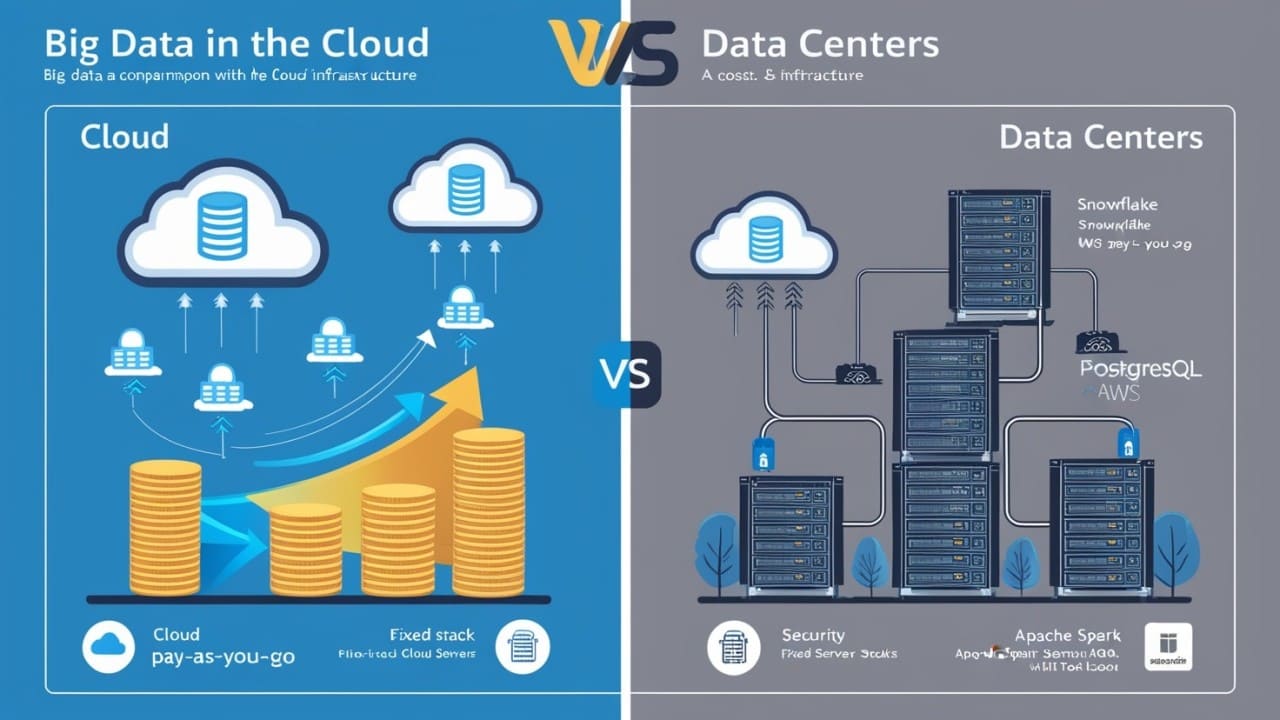
Big Data in the Cloud vs. Data Center
  • NoSQL
  • VS

Big Data in the Cloud vs. Data Center

Ustas|Jan 14, 2024|3 min read
Read More
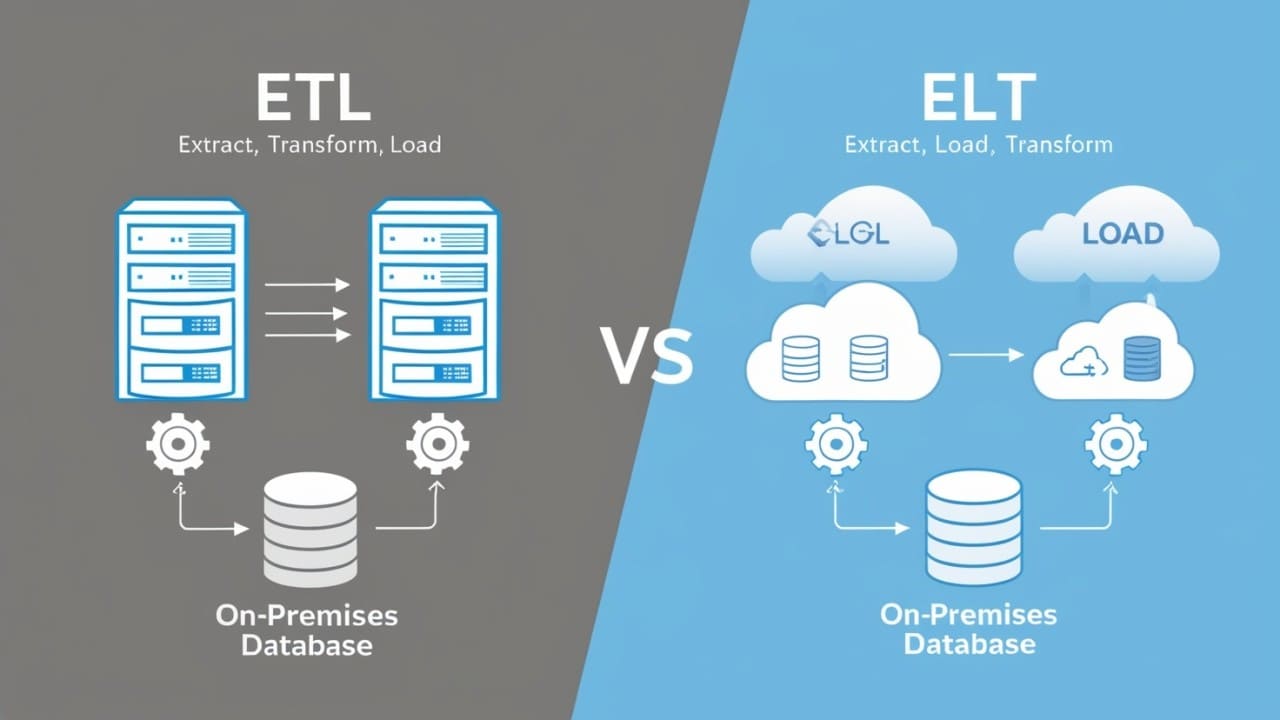
ETL vs. ELT
  • NoSQL
  • VS

ETL vs. ELT: Why the Shift Matters in 2025

Ustas|Dec 26, 2023|4 min read
Read More
« Previous
1…181920
Next »

Recent Posts

  • AI Coding Tools for Data Engineers: How Claude Code, Cursor, and Copilot Changed My Workflow ForeverMar 20, 2026
  • MotherDuck in Production: Running Cloud DuckDB as Our Primary Analytics Engine
    MotherDuck in Production: Running Cloud DuckDB as Our Primary Analytics EngineMar 18, 2026
  • Vector Database Comparison 2026: Pinecone vs Weaviate vs Qdrant vs Milvus vs pgvector
    Vector Database Comparison 2026: Pinecone vs Weaviate vs Qdrant vs Milvus vs pgvectorMar 16, 2026
  • AI Agents Are Replacing ETL Scripts: How We Automated 80% of Our Data Pipeline Maintenance
    AI Agents Are Replacing ETL Scripts: How We Automated 80% of Our Data Pipeline MaintenanceMar 14, 2026
  • MCP for Data Engineers: Build AI Tools That Actually Understand Your Data Stack
    MCP for Data Engineers: Build AI Tools That Actually Understand Your Data StackMar 12, 2026

Newsletter

Get new articles and curated news delivered to your inbox.

Categories

  • AI(21)
  • Analytics(10)
  • AWS(2)
  • ClickHouse(11)
  • Data(145)
  • Databricks(10)
  • DataLake(12)
  • DevOps(11)
  • DuckDB(1)
  • Future(5)
  • ML(7)
  • Monthly(4)
  • NoSQL(42)
  • OpenSource(7)
  • Oracle(5)
  • PostgreSQL(8)
  • Python(1)
  • RDS(19)
  • Snowflake(31)
  • StarRock(1)
  • Structure(10)
  • VS(20)

About

Data & ML Engineering is your hub for practical guides, curated news, and ecosystem insights on data infrastructure, machine learning, and AI.

AI & ML NewsCompany Directory

Categories

  • AI (21)
  • Analytics (10)
  • AWS (2)
  • ClickHouse (11)
  • Data (145)
  • Databricks (10)
  • DataLake (12)
  • DevOps (11)

Resources

Blog RSSNews RSSSitemap
© 2026 Data & ML Engineering
RSSSitemap