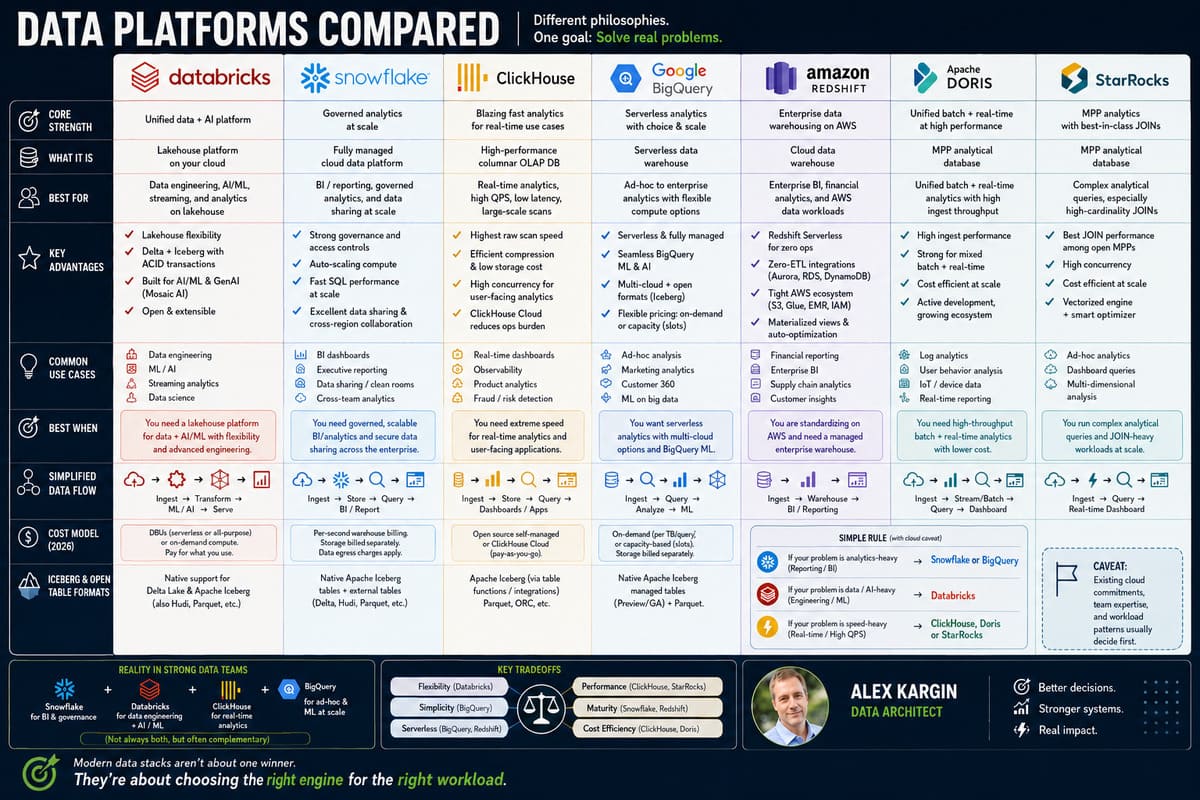
Most teams ask the wrong question when choosing a data platform in 2026. The real issue isn't whether Snowflake, Databricks, ClickHouse, BigQuery, or Redshift is "better" - it's whether the platform matches the workload you're actually running. In this article, Alex Kargin breaks down four core workload patterns - governed BI, AI/ML engineering, real-time analytics, and ad-hoc exploration - and explains why architecture, operational constraints, and cost models matter more than benchmark charts. The piece also explores how Apache Iceberg is reshaping the modern data stack, making platform decisions less about vendor lock-in and more about choosing the right compute engine for the job.
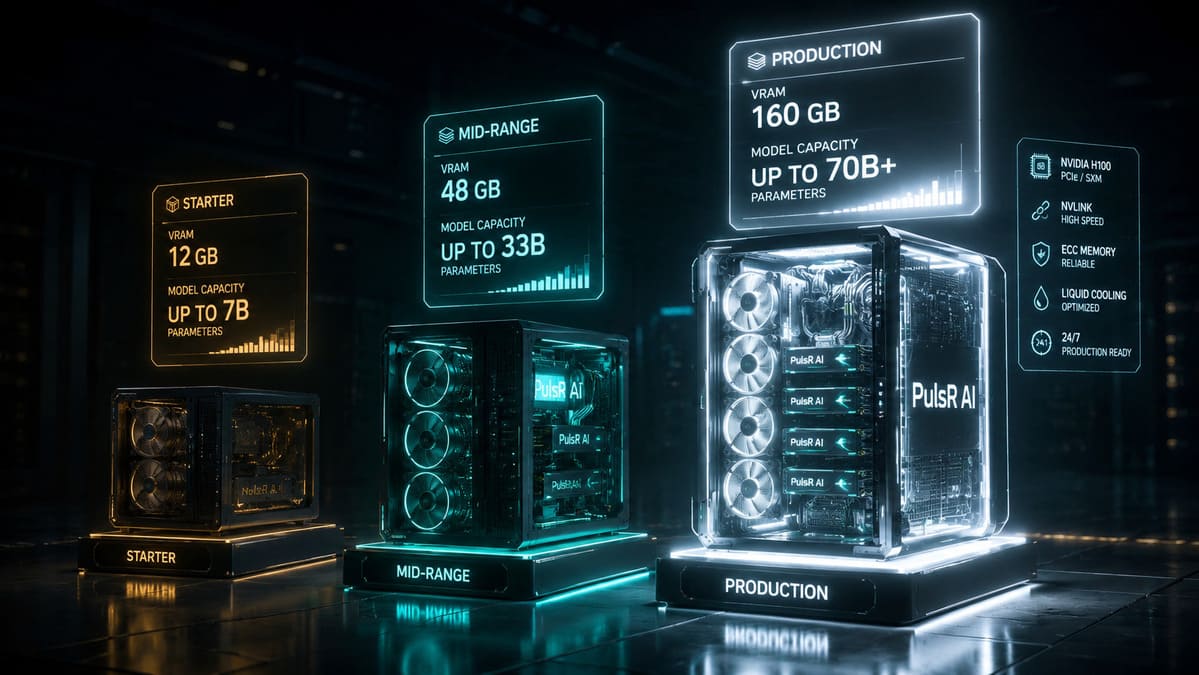
What Hardware Do You Actually Need for a Private AI Server? The 2026 Buying Guide
GPU comparison, RAM requirements, storage sizing, and three budget tiers for building your own private AI server. From $1,500 starter to $15,000 production.
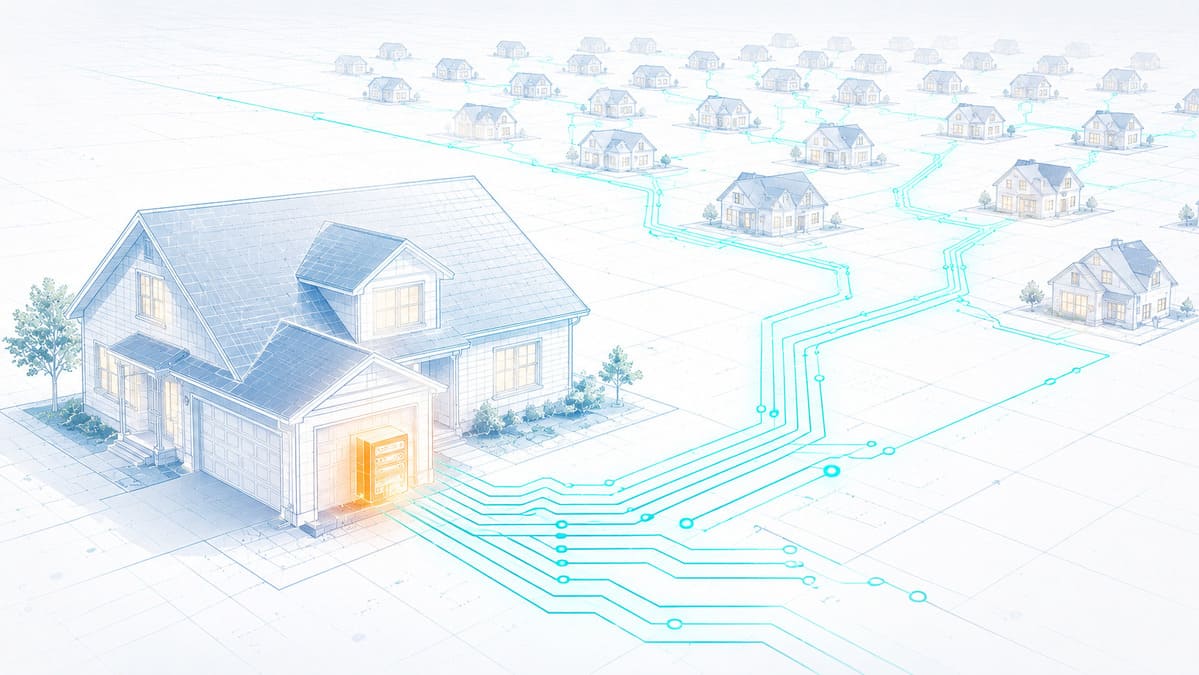
Span × NVIDIA's XFRA: A Distributed Compute Pattern, or a Distributed Cost-Shift?
A bold new AI infrastructure idea is emerging: instead of waiting years to build massive data centers, companies want to distribute GPU-powered compute nodes directly into residential homes. NVIDIA, Span, and PulteGroup's XFRA project promises faster deployment, cheaper power access, and a smarter use of the electric grid - but the deeper story is less about "free compute" and more about shifting costs, operational complexity, and grid risk into new places. This article breaks down the real engineering pattern behind XFRA, why distributed edge-style AI infrastructure is technically compelling, and the hidden trade-offs around thermals, reliability, electricity pricing, and long-term utility capacity that most headlines ignore.
Snowflake Interactive Tables: Faster Queries, or Just Moving the Cost?
Snowflake's new Interactive Tables sound like a breakthrough for low-latency analytics - but the real story is more nuanced. After digging into the architecture, one thing becomes clear: 👉 Interactive performance doesn't come from "magic faster queries." It comes from keeping compute warm, data cached, and warehouses running continuously. That shifts the trade-off from query latency to infrastructure economics. In this article, I break down: * what Interactive Tables actually are under the hood * how Interactive Warehouses change Snowflake's cost model * where they outperform traditional approaches * where tools like ClickHouse still have an edge * and why "sub-second analytics" is often really a caching strategy The key insight: "Interactive Tables don't make queries cheaper - they make latency more predictable by paying for a warehouse to stay warm." If you work with dashboards, APIs, real-time analytics, or Snowflake architecture, this is a feature worth understanding beyond the marketing layer. #Snowflake #DataEngineering #InteractiveTables #ClickHouse #Analytics #DataArchitecture #ModernDataStack
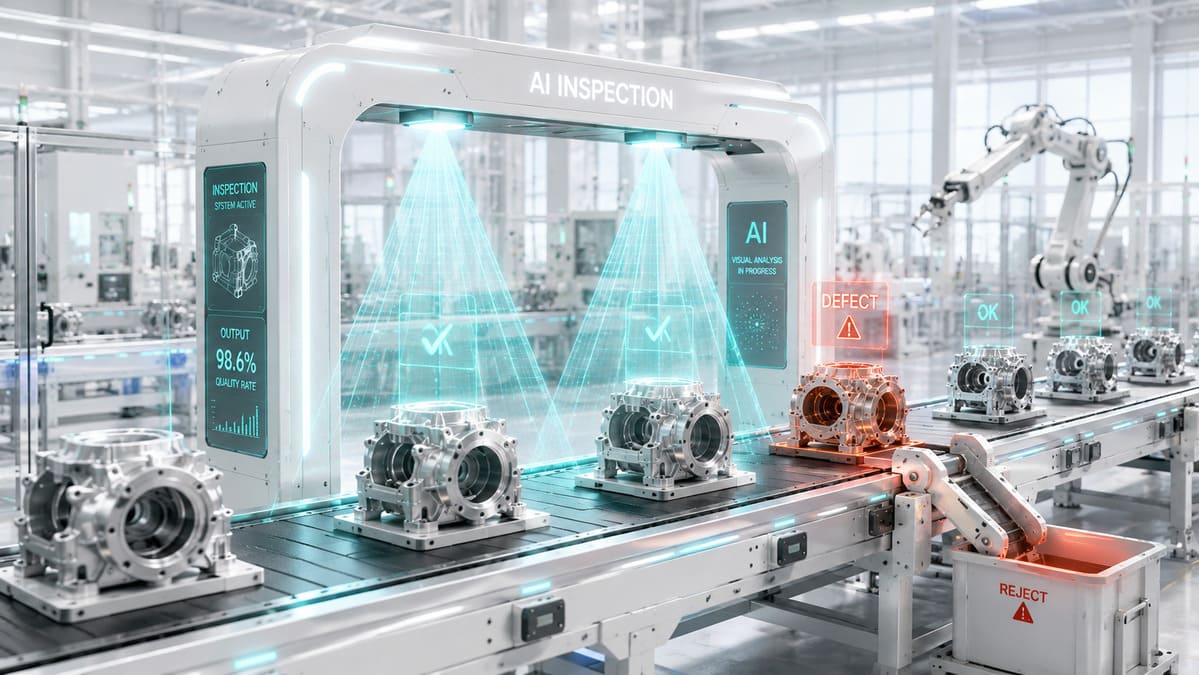
On-Premise AI for Quality Control: How Factories Inspect Products Without Sending Data to the Cloud
Manufacturing quality control needs AI that runs on the factory floor - no internet required. Here's how on-premise image recognition catches defects in real time.
Data, ML & AI in April 2026: The Month in Nine Stories
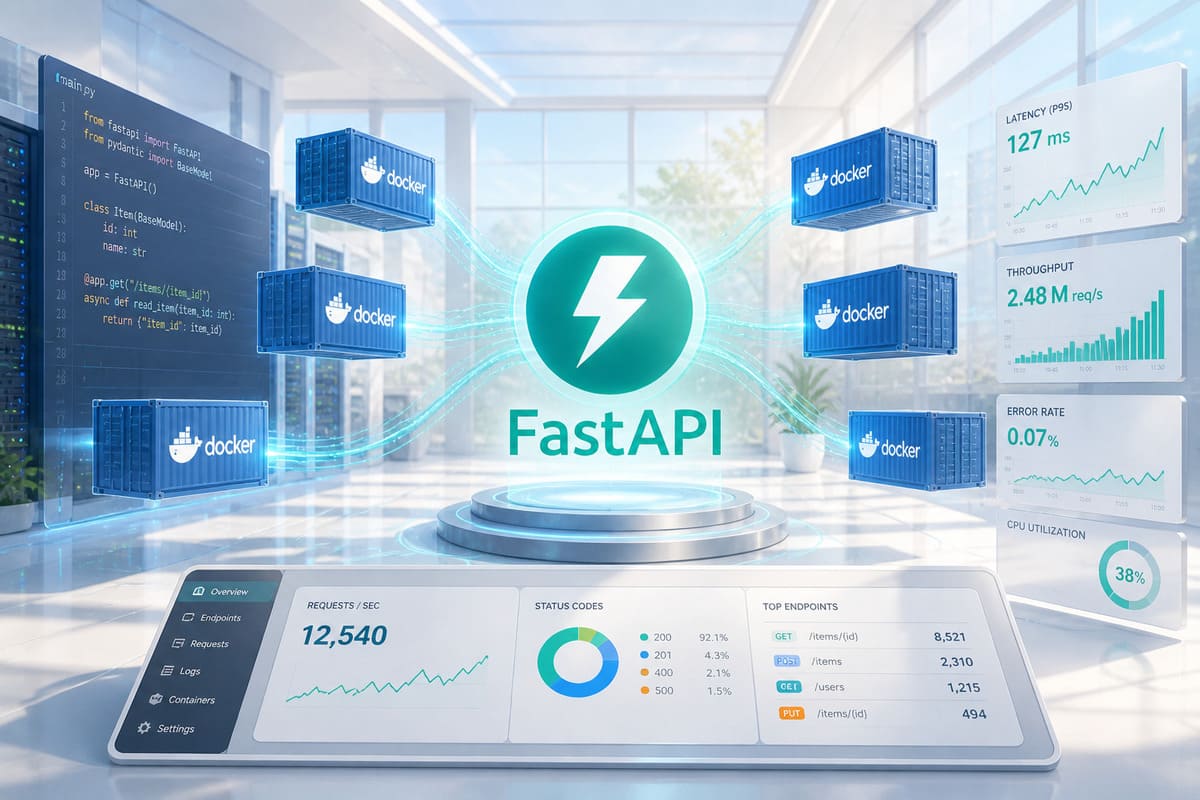
Building a Real-Time Scoring API for Predictive Models: FastAPI + scikit-learn + Docker
A complete guide to deploying predictive models as production APIs -- FastAPI scoring endpoints, Docker containers, Prometheus monitoring, load testing, and Kubernetes deployment patterns with working code for a 500 req/s credit risk scoring system.
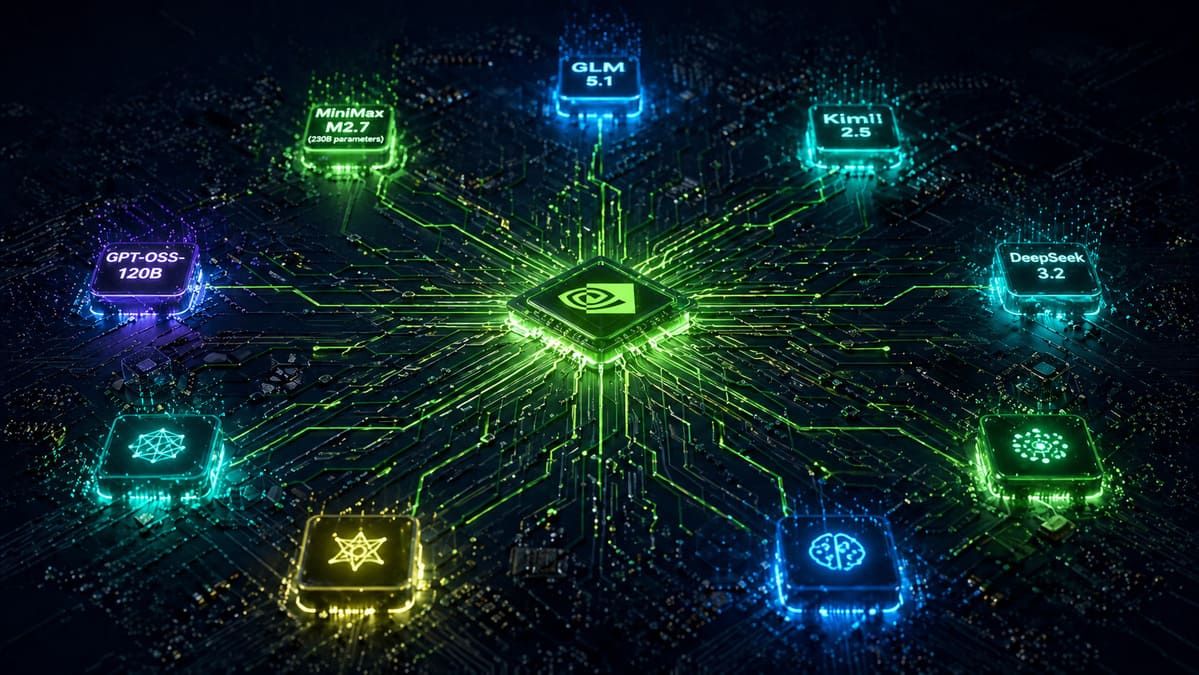
NVIDIA Just Quietly Became a Free Model API Provider
Why Companies Are Ditching OpenAI for Local LLMs in 2026 (And When They Shouldn't)
The shift to local LLMs is real - but it's not for everyone. Here's who's moving off cloud APIs, why, and the three scenarios where you should stay on OpenAI.
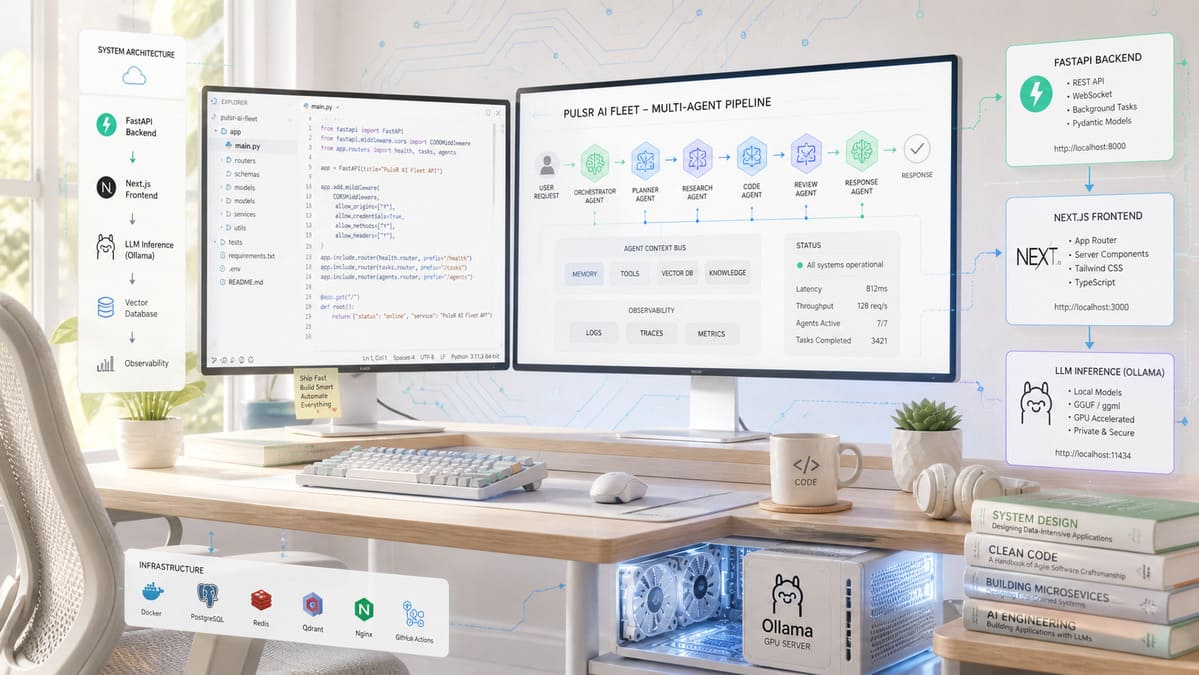
Building Boss.cc: How I Used AI Agents to Build an AI Agent Product in 10 Days
The technical behind-the-scenes of Boss.cc: FastAPI + Next.js + Ollama on a home GPU, five-agent evaluation pipeline, and the prompt engineering lessons that made the difference between useless and useful.
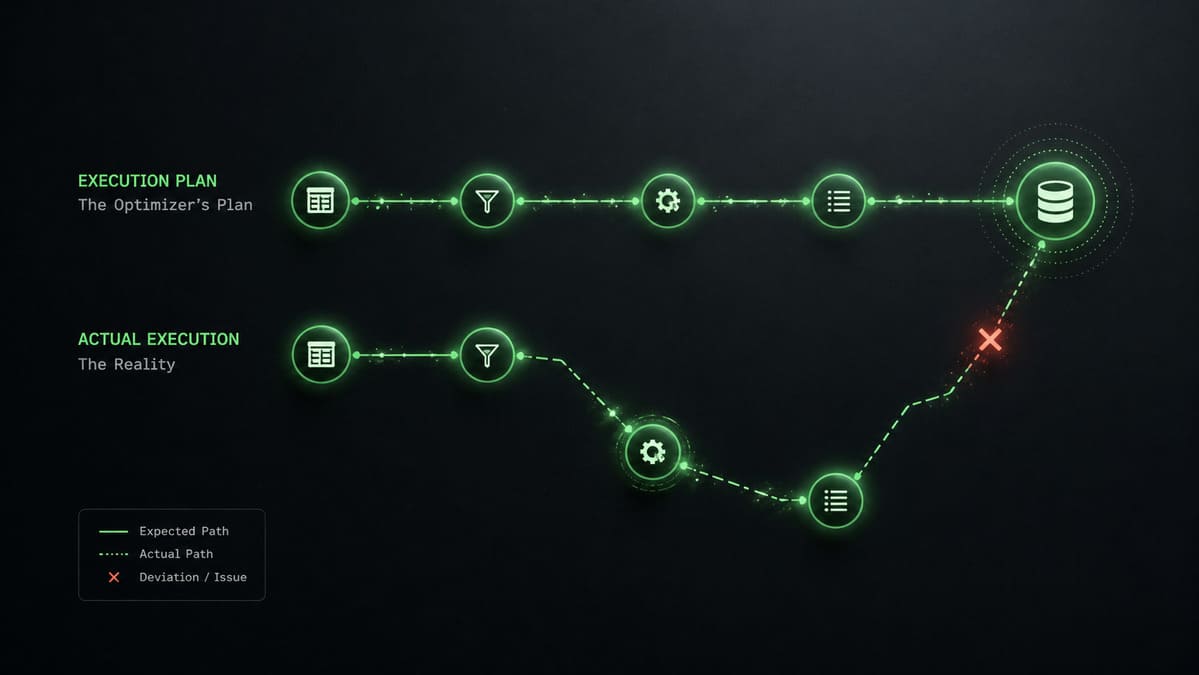
Why PostgreSQL EXPLAIN ANALYZE Can Mislead You - and What to Use Instead
Featured image prompt (1200×675):** Abstract visualization of database query execution - dark slate background, glowing green nodes connected by data paths, one path subtly broken or diverging, symbolic of plan vs reality. Minimalist, technical, professional.
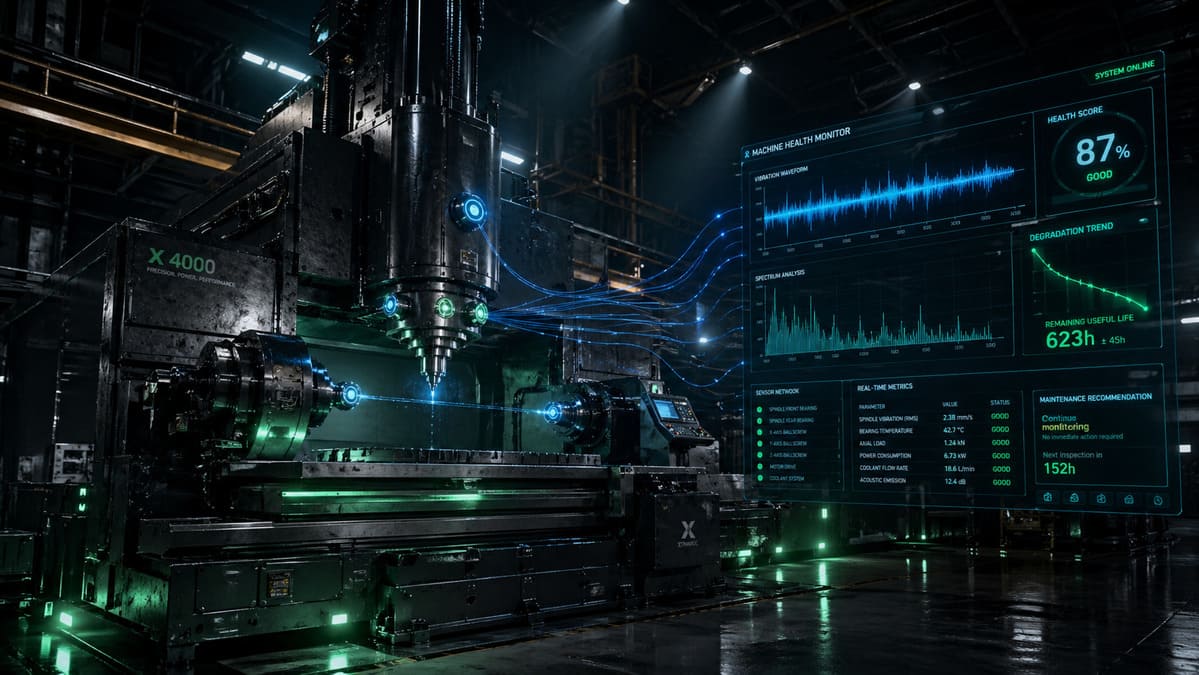
Predictive Maintenance: How Manufacturing Uses ML to Prevent $2M Equipment Failures
A complete guide to building predictive maintenance systems with Python -- from sensor data collection and feature engineering to RUL prediction models and maintenance workflow integration, with real results from a CNC machine deployment.