A zero-server budgeting app. Drop a bank CSV into the browser - rule-based plus in-browser ML (Transformers.js + MiniLM) categorize it, detect subscription creep, compare months, find savings. Your transaction data never leaves the tab.

A zero-server budgeting app. Drop a bank CSV into the browser - rule-based plus in-browser ML (Transformers.js + MiniLM) categorize it, detect subscription creep, compare months, find savings. Your transaction data never leaves the tab.

A practical guide to deploying Ollama in a business environment: hardware selection, model choice, API integration, and ongoing maintenance. No PhD required.
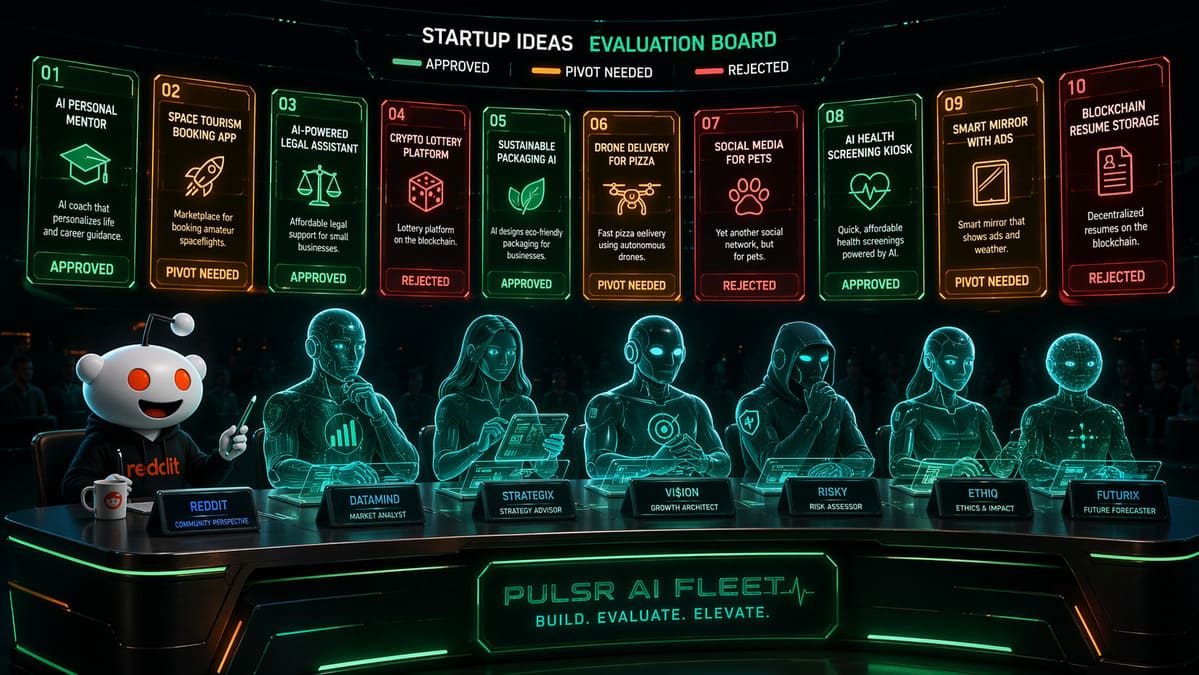
Every week Reddit gets flooded with data tool startup ideas. I ran 10 popular ones through five AI agents on Boss.cc. Four passed, three pivoted to viability, and three were dead on arrival. Here are the results.
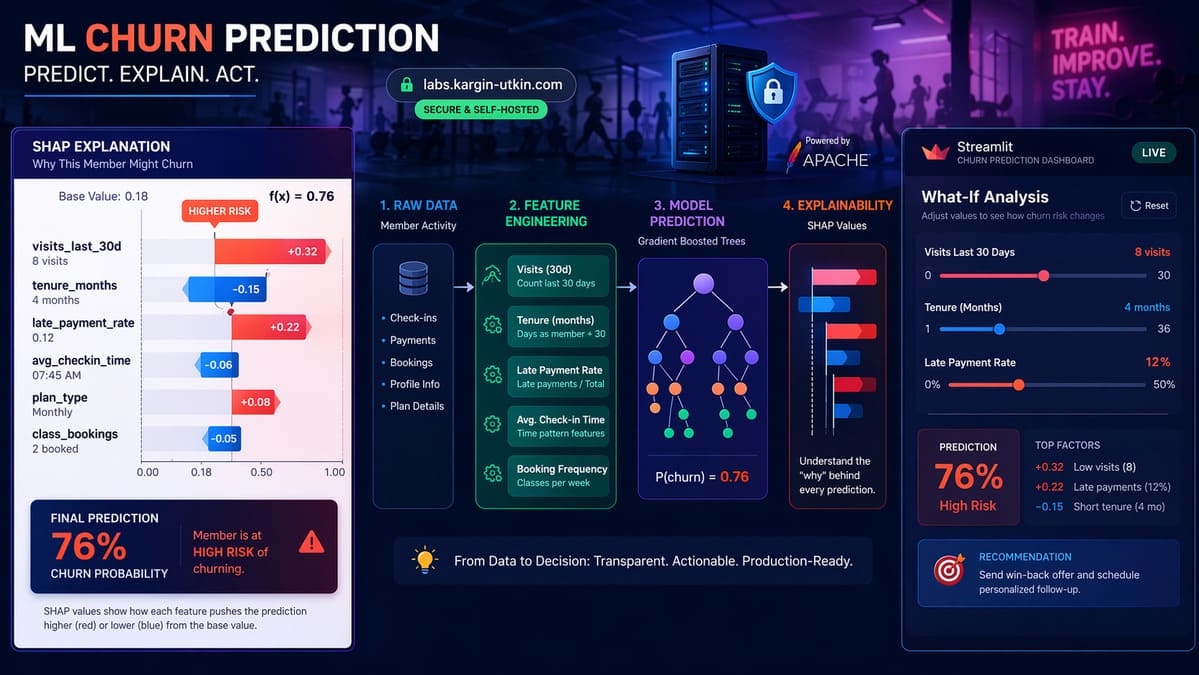
This week I built an end-to-end churn prediction system for fitness studio members - synthetic data generation, feature engineering, model training, SHAP explainability, and an interactive Streamlit demo deployed on my own infrastructure. The goal wasn't to write an expert-level paper on churn modeling. It was to rebuild the kind of system I've seen in production at fitness and franchise chains, end-to-end, so I understand every piece by hand rather than conceptually. Every subscription business loses members. For a fitness chain - Orange Theory, Equinox, a boutique studio - identifying at-risk members before they cancel is worth millions. A retention call to someone about to quit can save an account. The model's job is to output a churn probability and the reasons that probability is what it is - because retention managers can't act on 'this member has 73% churn risk.' They need: 'this member has dropped from 12 visits last month to 3, has two late payments, and lives 8 miles from their home studio.' That's something you can pick up the phone about.
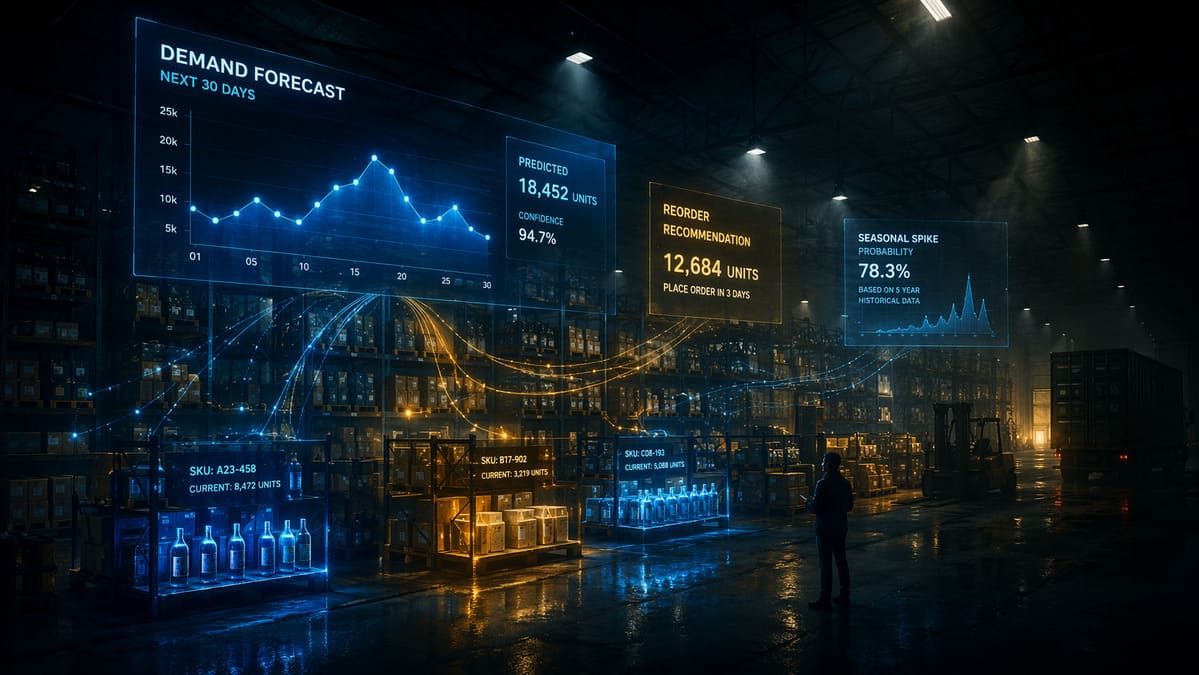
How we replaced Prophet and spreadsheets with a LightGBM forecasting pipeline that reduced stockouts by 28%, covering feature engineering, time-series cross-validation, multi-step forecasting, and warehouse deployment.

Cloud AI can't guarantee HIPAA compliance for patient data. Here's how to deploy a fully air-gapped AI system for healthcare using Ollama on local hardware.
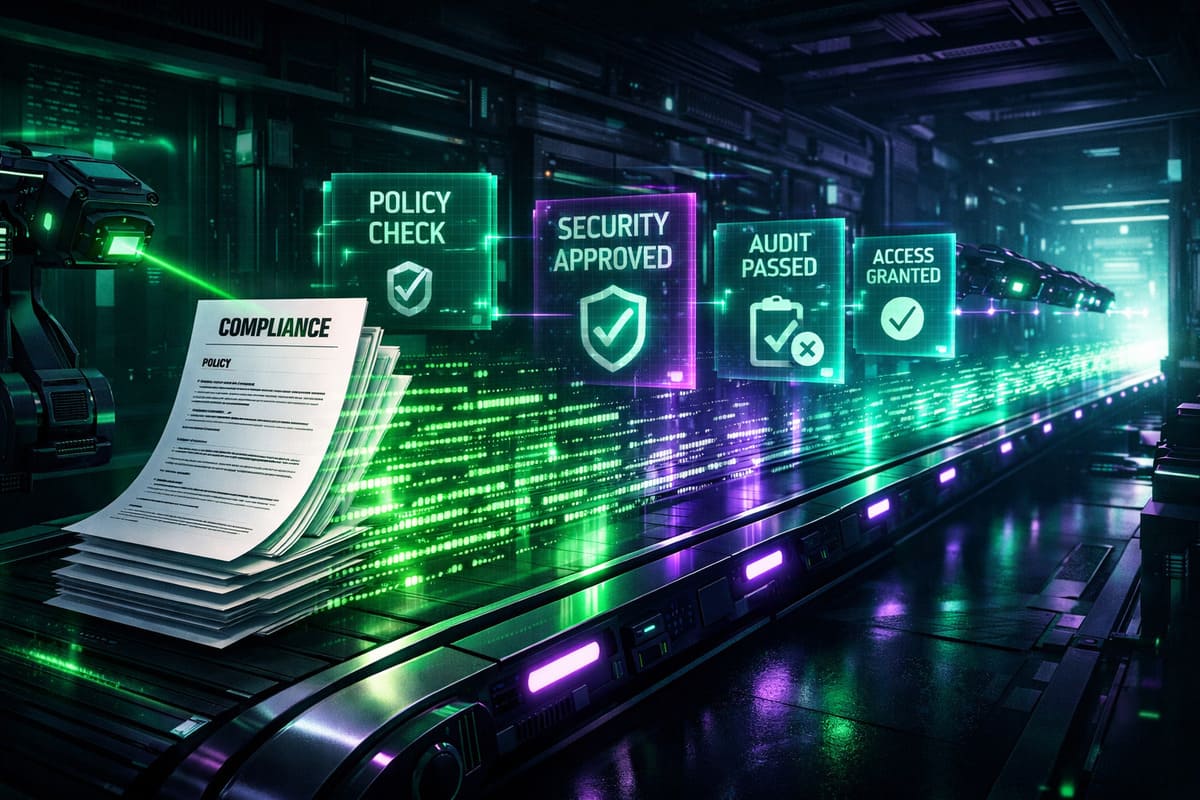
The shift-left movement has reached data governance. Instead of quarterly audits and spreadsheets, teams are encoding lineage, access policies, and audit trails as version-controlled code in CI/CD. This article covers tools, patterns like dbt tests as governance and policy-as-code with OPA, and real examples.

A real-world walkthrough of building a visual search engine for 30K products using FashionCLIP, pgvector, and an RTX 3060 Ti - no OpenAI bill, no vendor lock-in.
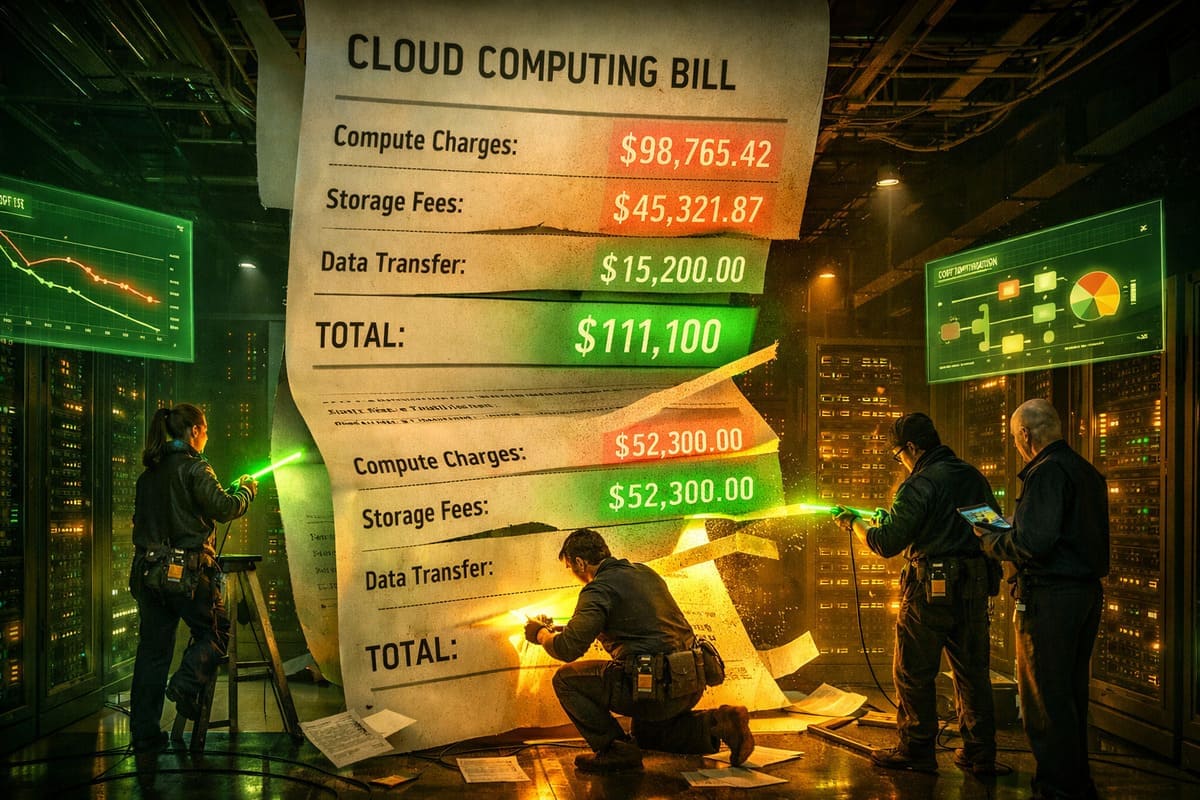
Data engineering workloads are among the most expensive cloud line items. This article covers the concrete cost optimization patterns gaining real traction in 2026: zombie query detection, spot instance strategies, compute-storage separation, and FinOps practices that actually work - with numbers and examples.

42% of startups fail because nobody needed the product. For data engineers building tools, this failure mode is even more common. Here's a five-question validation framework and a free AI tool that runs it for you.

New research shows enterprises granting excessive access to AI agents experience 4.5 times more security incidents. Traditional IAM does not work for autonomous systems that make dynamic access decisions. This article covers the identity gap, real incident patterns, and practical least-privilege patterns for AI agents.
Uber replaced its batch-heavy data lake ingestion with IngestionNext - a streaming-first platform built on Kafka, Flink, and Apache Hudi. Latency dropped from hours to minutes and compute usage fell 25%. A technical breakdown of the architecture and what data teams can learn from it.