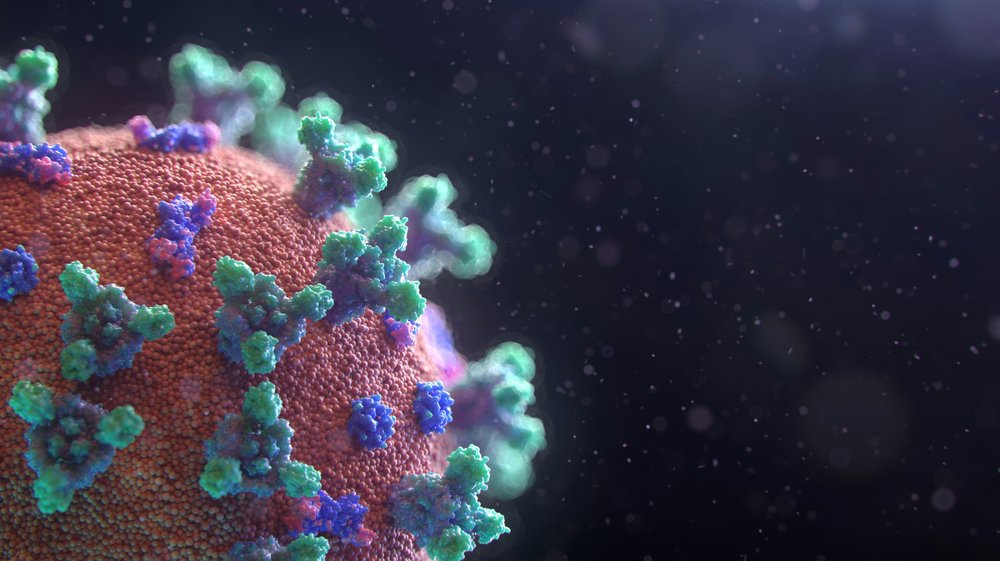
Researchers used AI models to design viruses that can infect and reproduce inside bacteria, according to a study published in Science and reported by The New York Times. The team, based at Palo Alto’s Arc Institute and Stanford University, built on the genome language models Evo 1 and Evo 2. These systems work like text-focused AI models but were trained on trillions of nucleotides, the building blocks of DNA, to learn the grammar of genetic code.
To keep the work contained, the researchers narrowed the models to about 15,000 viruses from the same family as Phi X-174, a tiny virus that only infects E. coli. The scope explicitly excluded anything able to infect humans, other animals, plants, or fungi. Evo generated around 700,000 possible new viruses. The team chose 285 of the most promising candidates, had their DNA manufactured, and inserted it into bacteria. Sixteen of the designs produced working viruses, and some reproduced faster than Phi X-174.
The researchers took precautions, and the approach could help gene therapy, genome research, and efforts to attack harmful bacteria. But the same technology could be misused. The article notes that standard chatbots have already offered concerning help with planning biological weapons, and an AI that can design genomes raises that threat. The science is not inherently evil, but as AI moves from describing biological threats to designing them, it may not be enough to rely on good intentions. Whether guardrails can catch up with the technology remains an open question.
Source: Engadget