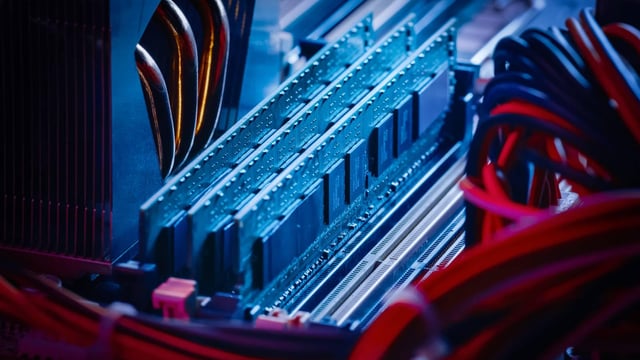
In a significant development, Lenovo has flagged a permanent change in the PC RAM market, warning that prices may never revert to pre-pandemic levels. This forecast has far-reaching implications for data and ML engineering, where memory-intensive workloads are common. As engineers, we're accustomed to optimizing system resources, but this shift demands a closer examination of our technical architecture and system design decisions. The ripple effects of sustained higher RAM prices will likely influence our choices around data processing, storage, and compute resource allocation. We may need to reassess our reliance on memory-intensive algorithms and explore alternatives that prioritize efficiency over raw power. Furthermore, this change could accelerate the adoption of emerging technologies like processing-in-memory and other innovative architectures. As we navigate this new reality, it's essential to weigh the trade-offs between performance, cost, and power consumption. By reevaluating our engineering strategies and exploring new approaches, we can mitigate the impact of rising RAM prices and continue to deliver high-performance, cost-effective solutions for our users.
Source: Reddit Tech