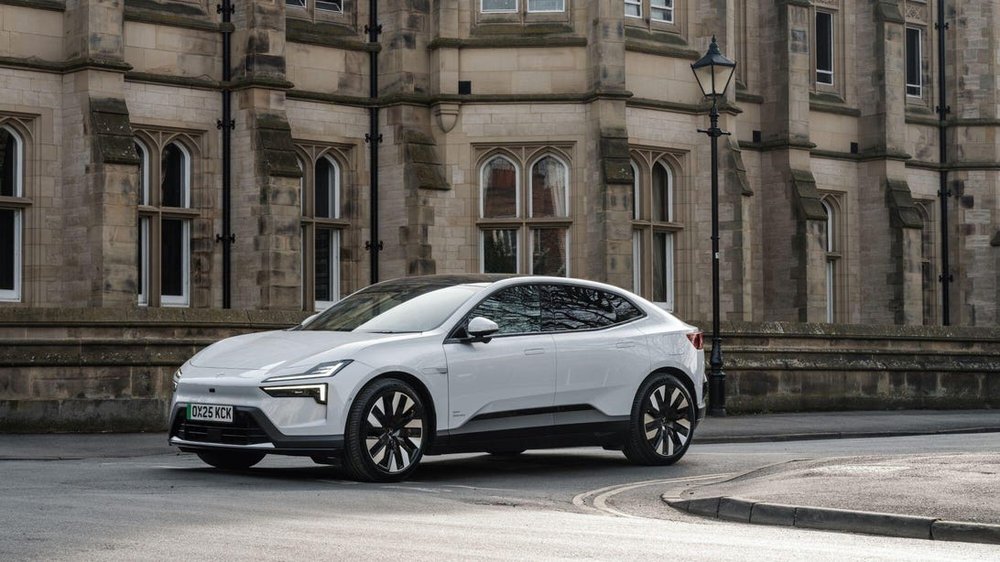
As a data engineer, it's fascinating to explore the technical architecture and system design decisions that underpin the automotive industry. Recently, Polestar, a Swedish electric vehicle manufacturer, announced that it will no longer sell its 2027 models and beyond in the US due to a ban imposed by the US Department of Commerce's Bureau of Industry and Security. The ban stems from concerns over Chinese-made connected technology used in Polestar's vehicles, which is a result of the company's ownership by Volvo and its parent company, Geely. This decision has significant implications for Polestar's business strategy, as it will shift its manufacturing to Europe and continue to support existing customers in the US through its service network. The company has also announced that it will not sell new cars in the US from model year 2027 onward, including the planned Polestar 7. This move highlights the complexities of global supply chains and the need for companies to carefully consider the technical and geopolitical implications of their design decisions. As data engineers, we must be aware of these complexities and design systems that can adapt to changing regulatory requirements and geopolitical tensions. The US ban on Polestar's sales is part of a broader effort by US agencies to police technology from China that is deemed a potential security threat. This has significant implications for the automotive industry, as well as other sectors that rely on global supply chains. As we design and implement data systems, we must consider these factors and develop strategies that can mitigate potential risks and ensure compliance with regulatory requirements.
Source: CNET