Pokemon Champions arrives on Nintendo Switch and Switch 2 this April 8, establishing a single standardized format for professional play leading into the 2026 World Championships this August. While the title is free-to-play, the underlying resource mechanics have sparked discussion among system designers and competitive players alike.
The game integrates directly with Pokemon Home for team construction. However, users without a subscription face a restrictive rotation system: one random Pokemon unlocked daily from an available pool, usable for only one week. Logically, building a full six-member squad takes six days, by which point the first unit expires. This creates a rolling window that complicates consistent team practice unless players earn in-game currency through victories to unlock permanent slots. The design choice risks fragmenting the player base if the progression curve proves too steep.
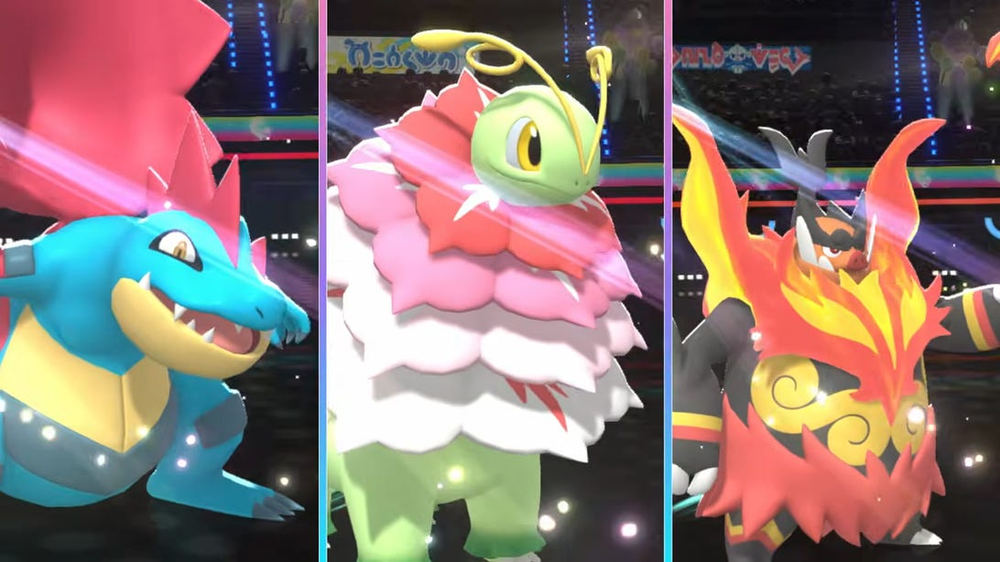
On the mechanics front, Champions launches with Mega Evolutions immediately available, bridging the gap from Pokemon Legends: Z-A. While Z-A utilized real-time combat, Champions returns to turn-based logic but grants these Mega forms new ability sets. Early data from The Pokemon Company suggests shifts in type effectiveness, such as Mega Meganium accessing stronger grass and dragon moves. These changes could redefine meta strategies used in high-level tournaments.
An optional starter pack offers storage expansion and currency, but the core competitive integrity relies on the free tier remaining viable. A mobile version with cross-platform multiplayer is scheduled for late 2026, though iOS and Android specific windows remain undefined. For engineers watching the ecosystem, the matchmaking economy and randomization algorithms will be key metrics to monitor post-launch to ensure fair play standards are maintained across Switch and mobile architectures.
Source: CNET