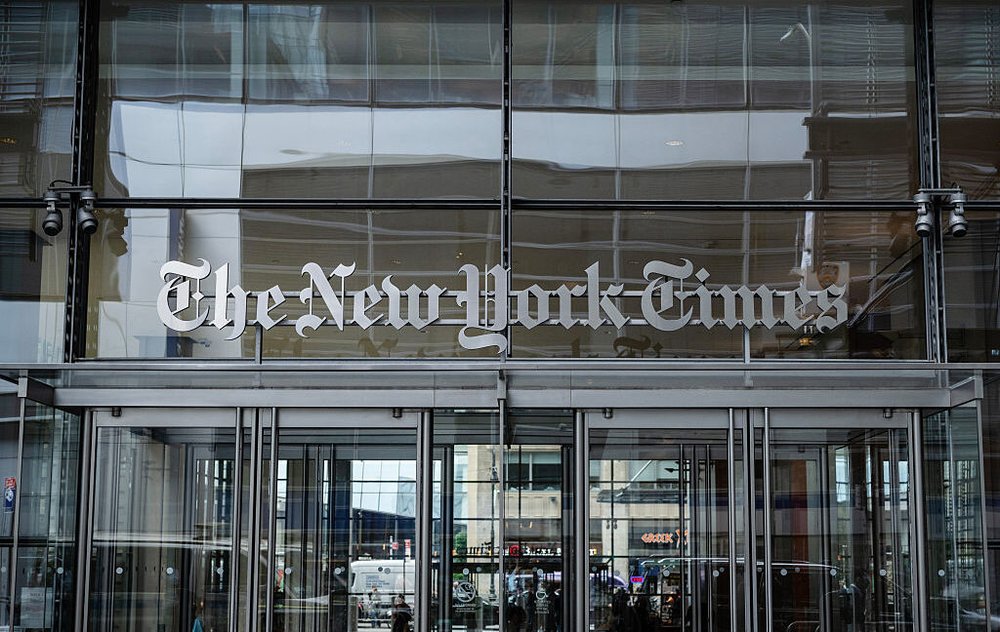
A recent court filing by The New York Times has shed new light on the company's copyright complaint against OpenAI and Microsoft. The NYT is seeking to amend its complaint to clarify a claim of contributory infringement against Microsoft, alleging that the company built a custom supercomputing system to facilitate OpenAI's use of copyrighted NYT works. This move comes on the heels of a Supreme Court ruling that set a new standard for contributory infringement, requiring plaintiffs to prove intentional inducement of illegal conduct. The NYT's revised complaint argues that Microsoft's actions meet this standard, and that the company's bespoke supercomputer was designed to enable OpenAI's copyright infringement. In response, Microsoft has characterized the amended complaint as a desperate attempt to salvage a faltering claim. However, the NYT maintains that its core allegations remain unchanged, and that Microsoft and OpenAI stole millions of copyrighted works to gain a competitive advantage. The case highlights the complex technical and legal considerations involved in designing and deploying large-scale computing systems, and the need for careful consideration of copyright and intellectual property issues in the development of AI and machine learning technologies. As data and ML engineers, we must be mindful of these issues and ensure that our systems are designed and implemented with robust safeguards to prevent copyright infringement and other forms of intellectual property theft.
Source: Ars Technica