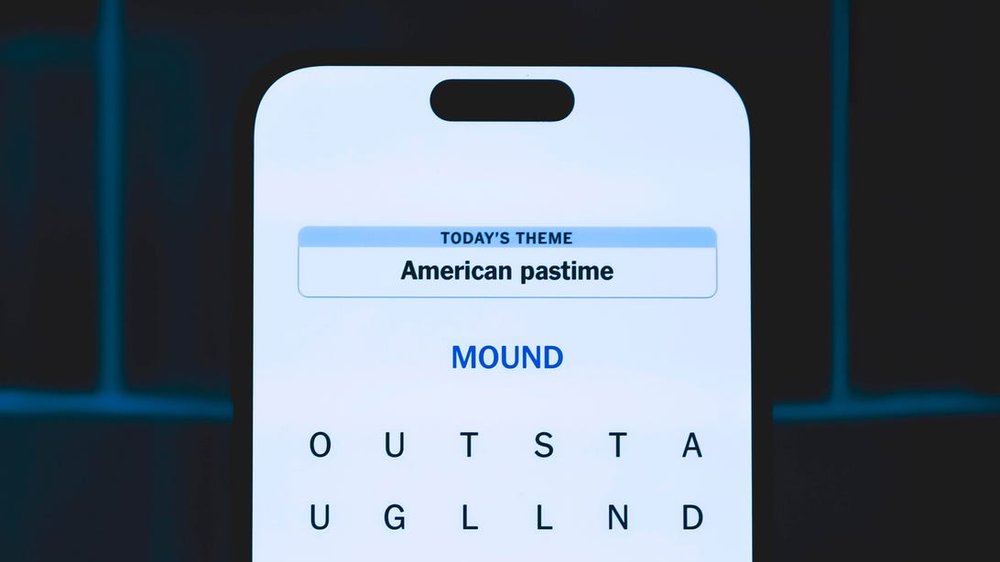
As data engineers, we're often tasked with designing complex systems that can handle a wide range of user inputs and behaviors. The New York Times' Strands puzzle is a great example of such a system, requiring players to find hidden words that fit a specific theme. In today's puzzle, the theme is 'Heebie-jeebies', and players must use a combination of clues and word-finding skills to unlock the theme words. The puzzle's architecture is designed to reveal hints as players find more words, with a goal of using every letter on the board. The non-spangram answers, such as CREEPS and SHIVERS, are hidden throughout the puzzle, while the spangram, GOOSEBUMPS, requires players to start at a specific point and wind their way around the board. From a technical perspective, designing a system like Strands requires careful consideration of user experience, data storage, and algorithmic complexity. The puzzle's rules and theme words must be stored and retrieved efficiently, while the hint system must be designed to provide helpful clues without giving away too much information. By examining the technical architecture of Strands, we can gain insights into the design decisions and trade-offs that go into building complex puzzle systems.
Source: CNET