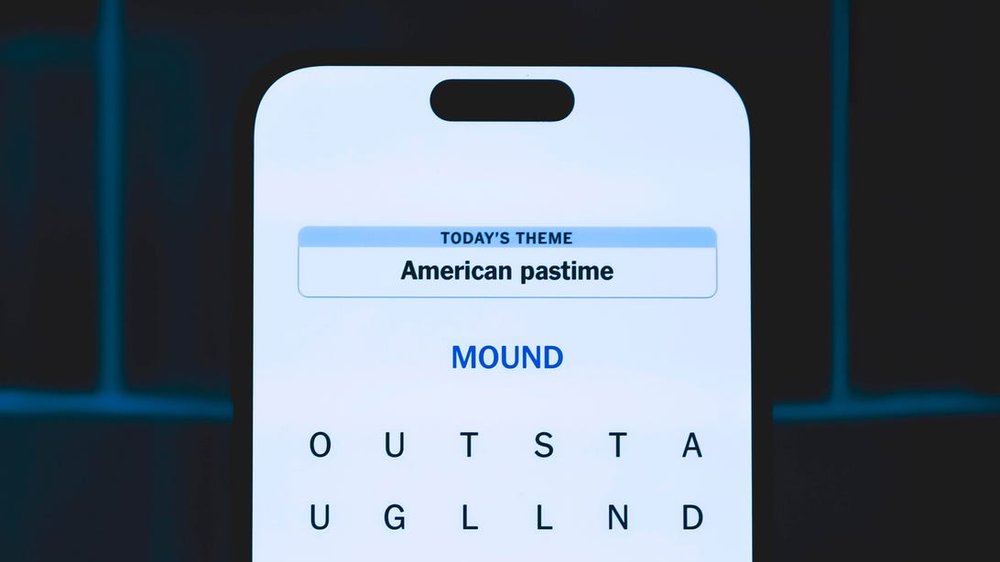
As data engineers, we're often tasked with designing systems that can handle complex, unstructured data. The New York Times' Strands puzzle is a great example of such a challenge. The puzzle requires players to find hidden words within a grid, with the goal of uncovering a theme word that spans the entire puzzle. To build a scalable puzzle solver, we need to consider the technical architecture and system design decisions that can handle the complexity of the puzzle. One approach is to use a combination of natural language processing (NLP) and graph algorithms to identify potential words and their relationships. By analyzing the puzzle's theme and clue words, we can develop a system that can efficiently search for solutions. For example, in today's Strands puzzle, the theme is 'I'll gobble you up!' and the clue words include 'Trip trap, trip trap'. By using these hints, we can design a system that can find the hidden words, including the spangram, which is the theme word that reaches from one side of the puzzle to the other. In this case, the spangram is 'BILLYGOATSGRUFF'. By designing a scalable puzzle solver, we can apply the lessons learned to other complex data engineering challenges, such as entity recognition and relationship extraction. By focusing on the technical architecture and system design decisions, we can build systems that can efficiently handle complex, unstructured data and provide valuable insights to users.
Source: CNET