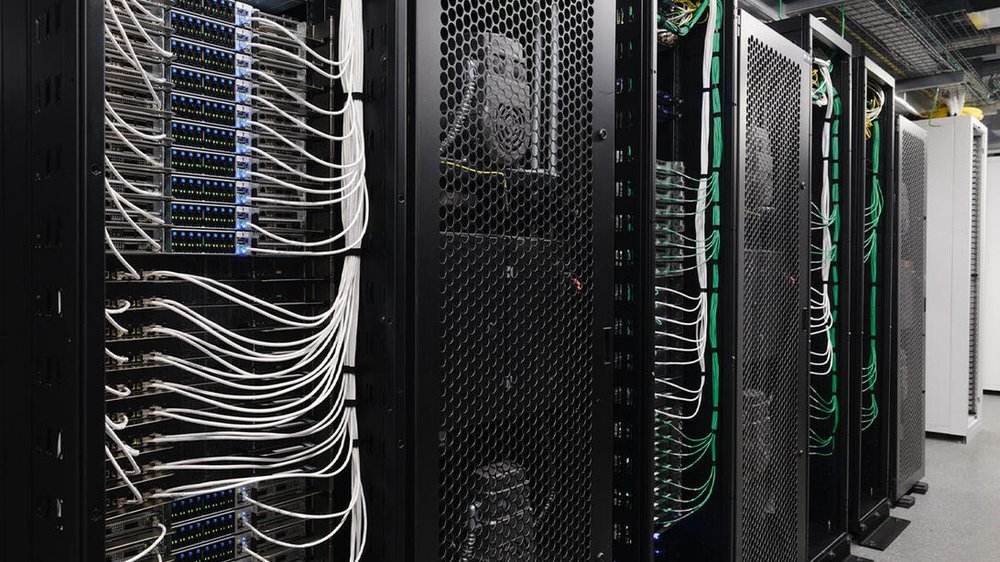
A new Gallup survey drops a cold reality check on the AI infrastructure boom: 71% of Americans oppose building data centers in their neighborhoods, with nearly half expressing strong opposition. This is the first time Gallup has polled on the topic, and the numbers signal a growing engineering and policy challenge for hyperscalers racing to deploy compute capacity.
From a technical architecture standpoint, the backlash centers on resource contention. Data centers are massive consumers of electricity and water—a single facility can draw 30 million gallons annually for cooling, as seen in a recent Georgia case. Communities are citing water shortages, noise from HVAC systems, and strain on local utility grids. The environmental footprint tops the list of concerns, followed by quality-of-life impacts and negative perceptions of AI itself.
Interestingly, nuclear power plants poll better: only 53% oppose local construction. This suggests the issue isn't just industrial scale but perceived value. Data centers operate like warehouses for expensive chips—high on power draw, low on permanent jobs. A Brookings report confirms that employment gains are often temporary, tied to buildout phases, and vastly overestimated by local governments.
Proponents point to tax revenue and tech demand. But the economics are under scrutiny. The proposed Stratos Project in Utah—twice the size of Manhattan and consuming more power than the entire state—has drawn public outcry despite promises of 10,000 jobs. Meanwhile, companies like OpenAI, Microsoft, and Google continue to compete for GPU capacity, with Nvidia dominating the chip supply chain.
For data and ML engineers, this means tighter constraints on site selection, energy budgets, and cooling design. Expect more pressure to adopt efficiency measures—liquid cooling, renewable sourcing, and load shifting—as community resistance becomes a first-class design constraint.
Source: CNET