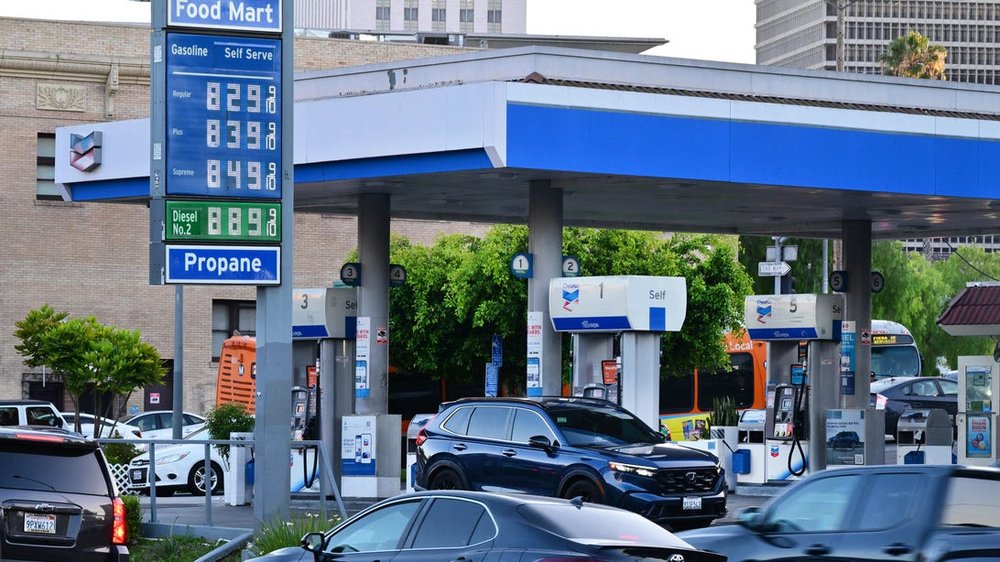
A recent lawsuit filed in the Eastern District of California accuses several major gas station operators of using AI-driven pricing software to manipulate fuel prices. The lawsuit targets over 1,700 gas stations, including BP, Walmart, and 7-Eleven, alleging that they used Kalibrate Fuel Systems' software to inflate prices by around 30 cents per gallon. This alleged price-fixing scheme exploits competitor data to influence fuel costs, violating California law AB 325, which aims to crack down on algorithmic price fixing. The law provides an antitrust hook for claims that competitors used a shared pricing algorithm as part of a conspiracy to restrain trade. The California Energy Commission's Division of Petroleum Market Oversight has put fuel refiners, distributors, and sellers on notice about AB 325, emphasizing the need for market participants to understand their legal obligations. The lawsuit seeks compensatory damages and triple the damages caused, highlighting the impact of dynamic and surveillance pricing on consumers. As companies increasingly use AI to set prices based on customer data, lawmakers in California and other states are moving to restrict surveillance pricing, citing concerns over privacy, equity, and price transparency. The case underscores the need for data engineers and practitioners to consider the technical architecture and system design decisions behind AI-driven pricing systems, weighing the benefits of dynamic pricing against the potential risks of surveillance pricing and algorithmic price fixing.
Source: CNET