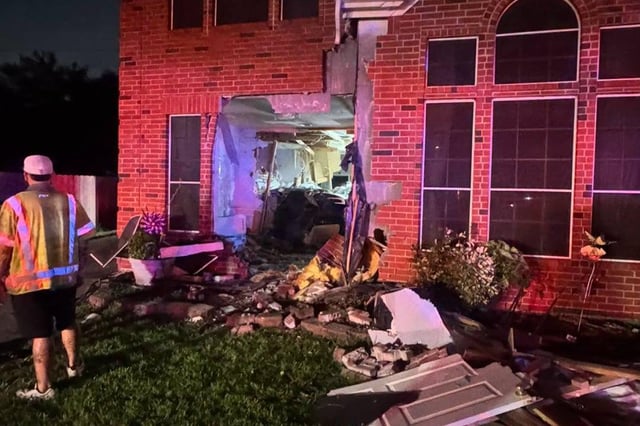
A recent accident in Texas involving a Tesla on auto-pilot has raised important questions about the technical architecture of autonomous vehicle systems. The incident, which resulted in the death of a 76-year-old woman, occurred when the Tesla crashed into her home. As data and ML engineers, we must consider the system design decisions that may have contributed to this tragedy. The auto-pilot feature, which relies on a combination of sensors, mapping data, and machine learning algorithms, is designed to enable vehicles to navigate roads without human intervention. However, the complexity of real-world environments and the limitations of current sensor technologies can lead to errors and unpredictability. In this case, it appears that the Tesla's auto-pilot system failed to detect the home or respond appropriately to the situation. This incident highlights the need for robust testing, validation, and continuous improvement of autonomous vehicle systems. Engineers must carefully evaluate the trade-offs between system complexity, safety, and performance, and consider the potential consequences of system failures. By examining the technical details of this incident and others like it, we can gain valuable insights into the challenges of designing and deploying reliable autonomous vehicle systems.
Source: Reddit Tech