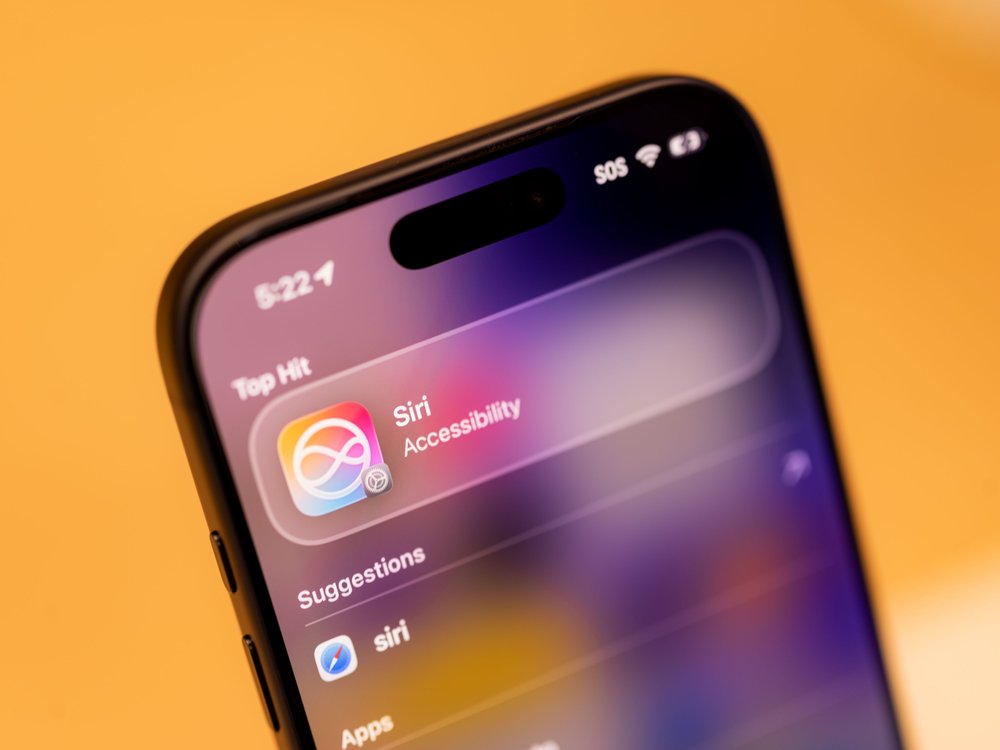
Apple has agreed to a $250 million settlement in a class-action lawsuit that accused the company of misleading customers about the AI capabilities of its Siri assistant. The core issue: Apple marketed a radically improved, context-aware Siri at its 2024 Worldwide Developers Conference, but the promised features never shipped with the iPhone 15 or 16. Plaintiffs argued this constituted false advertising, as ads saturated the market and drove device upgrades based on vaporware.
From a technical architecture perspective, this settlement highlights a common failure pattern in large-scale ML system rollouts: underestimating the pipeline complexity for personalization features. The promised Siri overhaul required on-device inference, cross-app context awareness, and real-time entity resolution—problems that remain hard to solve at scale, especially with privacy constraints like Apple’s on-device processing mandate. Apple’s own admission in March 2025 that features would be delayed by “the coming year” suggests the underlying data engineering—training models on personal context without centralizing user data—proved more resource-intensive than anticipated.
The settlement covers U.S. purchasers of iPhone 15 or 16 models between June 2024 and March 2025. A $250 million common fund will distribute $25 per device presumptively, with potential adjustments up to $95 depending on claim volume. Apple also agreed to deliver the missing Siri features in future software updates at no extra cost—a tacit acknowledgment that the engineering work remains incomplete.
Notably, the Better Business Bureau’s National Advertising Division found Apple’s claim that “Apple Intelligence is ‘available now’” misleading, as the updated Siri wasn’t present at launch. This is Apple’s second major Siri-related payout in two years, following a $95 million settlement in 2024 over unauthorized audio recording. For data engineers, the lesson is clear: when marketing promises a feature that depends on unproven ML infrastructure, the technical debt eventually shows up on the balance sheet.
Source: Wired gear