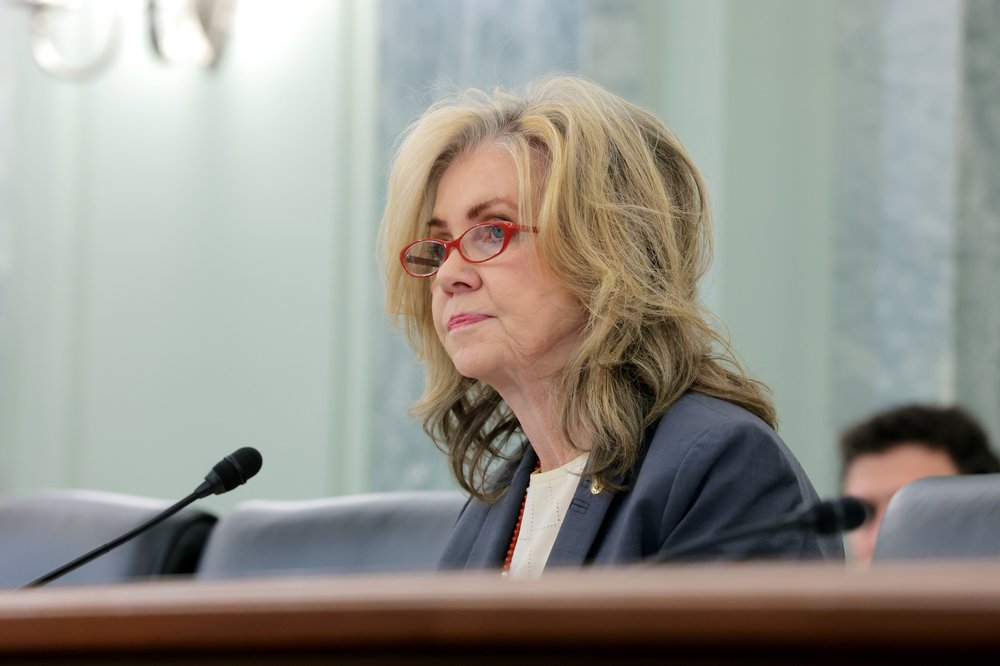
A new legislative framework from Senator Marsha Blackburn (R-TN) aims to impose federal rules on the rapidly evolving artificial intelligence sector, with significant implications for tech companies and creative industries. The draft bill, formally titled "The Republic Unifying Meritocratic Performance Advancing Machine intelligence by Eliminating Regulatory Interstate Chaos Across American Industry" (TRUMP AMERICA AI Act), addresses two of the most contentious debates: copyright in AI training and the proliferation of deepfakes.
The proposal explicitly states that using copyrighted works to train AI models without permission does not constitute fair use, a direct challenge to the practices of major AI developers. This aligns with ongoing lawsuits from content creators but appears at odds with President Trump's previously stated position. At last year's AI Summit, Trump argued that requiring payment for all training material would make successful AI programs impossible.
Beyond copyright, the legislation incorporates the bipartisan "No Fakes Act," creating a right for individuals to control their digital likeness, and the "Kids Online Safety Act," which mandates new protections for minors online. It also calls for technical standards for watermarking and synthetic content detection, and requires federal studies on AI's job market impact and potential risks.
Notably, the draft includes a provision to sunset Section 230, the foundational law that shields online platforms from liability for user content—a move long opposed by the tech industry. With its blend of intellectual property enforcement, new creator rights, and platform accountability, Blackburn's framework signals a comprehensive, if controversial, attempt to steer AI's development as the technology becomes further embedded in daily life.
Source: Deadline