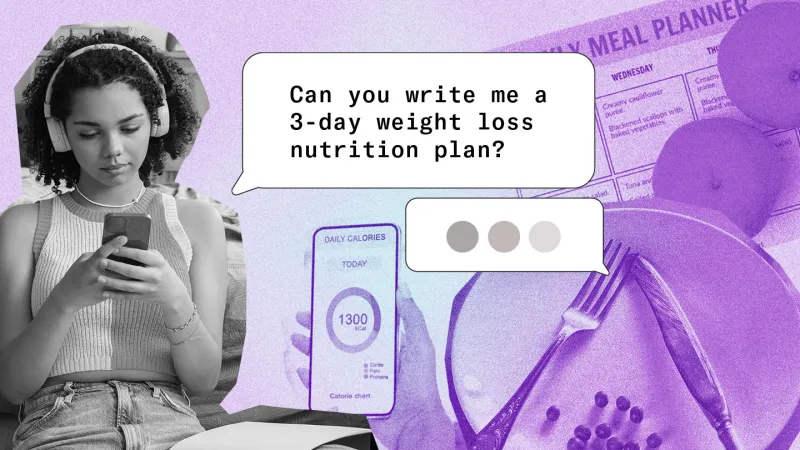
A new study reveals that popular AI chatbots are generating nutrition plans for teenagers that could endanger their health. Researchers from Istanbul Atlas University asked five major chatbots—including ChatGPT-4o, Gemini, and Claude—to create three-day meal plans for fictional overweight and obese 15-year-olds. The results, published in Frontiers in Nutrition, were consistently troubling.
The AI-generated plans averaged nearly 700 calories per day less than equivalent plans designed by a dietitian. They were also consistently unbalanced, skimping on carbohydrates while over-prescribing protein and fat. "The models often produced a similar imbalance," said lead researcher Betül Bilen. This is problematic because adolescence demands robust nutrition for bone and brain development; restrictive diets can disrupt that growth.
Teens are known to use AI for information. While hard data on meal-planning use is scarce, dietitians like Stephanie Kile report patients who seek chatbot advice. "When a chatbot supports their unhealthy beliefs... I side with the chatbot reasoning," Kile has heard from teens, noting it takes compassionate, professional guidance to rebuild trust.
The core issue, experts say, is that AI cannot assess a teen's health history, family situation, or mental well-being. A dietitian weighs these factors; a chatbot simply generates a generic response. Public health researcher Stephanie Partridge warns that restrictive diets, especially from unvetted sources, can harm a teen's relationship with food and increase the risk of disordered eating.
The study used researcher-written prompts, not actual teen queries, so real-world usage patterns need more investigation. However, the findings sound a clear alarm: for nutritional advice, especially for growing teens, artificial intelligence is no substitute for human expertise.
Source: Science News