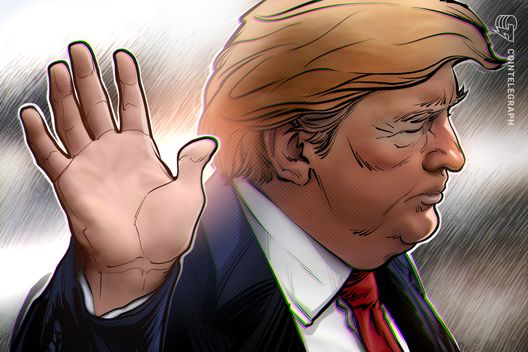
Margaret Ryan's abrupt departure from the SEC signals deeper friction within the agency regarding tech enforcement. The former Enforcement Director exited last week after conflicting with Chair Paul Atkins over cases involving allies of President Trump. Reports indicate Ryan pushed for fraud charges against figures in Trump's orbit, facing significant pushback from Republican appointees.
Two high-profile disputes centered on crypto founder Justin Sun and Tesla CEO Elon Musk. Sun, a major backer of the Trump family's World Liberty Financial project, faced allegations of unregistered securities sales and manipulative wash trading. Despite Ryan's apparent hesitation, the SEC settled for $10 million earlier this month without admitting guilt. Musk, now serving as a special White House adviser, confronted a lawsuit regarding undisclosed Twitter share acquisitions filed in January 2025. Settlement talks emerged shortly after Ryan's March 16 resignation.
Legal observers noted both cases held strong merit for the commission. However, the agency has reversed course on numerous crypto actions initiated under Gary Gensler, drawing sharp criticism from Democratic lawmakers. This shift suggests a regulatory environment where political connections may influence enforcement outcomes for tech leaders. For data engineers building compliance tools, the settlement patterns raise questions about consistency in policing algorithmic trading and disclosure violations. The relaxation of scrutiny on high-profile tech figures could impact how compliance teams approach risk modeling in 2026. The SEC declined to comment on the internal discord. As the year unfolds, the balance between political allegiance and regulatory duty remains unsettled in Washington, leaving industry watchers to gauge the true independence of financial oversight.
Source: CoinTelegraph