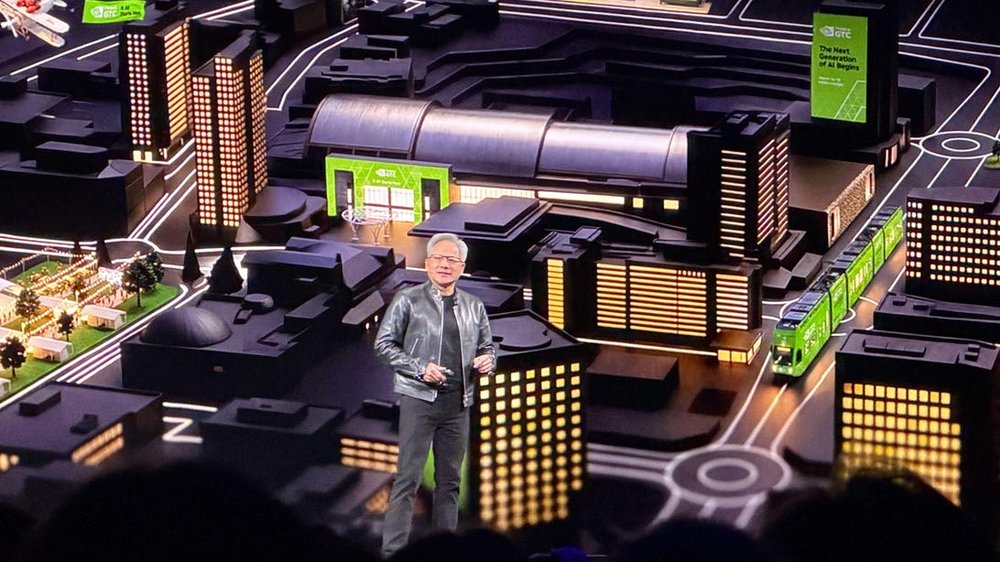
At its annual GTC conference, Nvidia unveiled three significant products aimed at cementing its position at the forefront of artificial intelligence and computing. CEO Jensen Huang presented a roadmap focused on the company's data center ambitions and the growing shift toward autonomous AI systems.
The first announcement, NemoClaw, is a streamlined toolkit for building AI agents. Based on the OpenClaw platform, it promises a one-command installation process, bundling necessary components for developers. Nvidia emphasizes a privacy-focused design, using policy-based guardrails within an isolated environment to handle data. The system is also engineered for persistent operation, ideal for always-on assistants running on Nvidia hardware.
For gamers, the introduction of DLSS 5 marks a leap in visual technology. Nvidia demonstrated a neural rendering system that applies photorealistic lighting and material effects in real-time. The underlying AI analyzes individual frames to understand elements like character details and environmental light, then generates upscaled imagery. Set for release this autumn, it will be integrated into upcoming titles from publishers like Bethesda and Ubisoft, including *Assassin's Creed Shadows* and a remaster of *The Elder Scrolls IV: Oblivion*.
Powering this next wave is the new Vera CPU. Nvidia claims the processor doubles efficiency and delivers a 50% performance increase over current designs, branding it as essential infrastructure for scaling agentic AI and reinforcement learning. Huang positioned the Vera as arriving at a pivotal moment for the industry, providing the single-thread performance and bandwidth needed for large-scale AI operations. While the broader Vera Rubin platform was previewed earlier, this CPU delivers the tangible horsepower for Nvidia's agentic AI vision.
Source: CNET