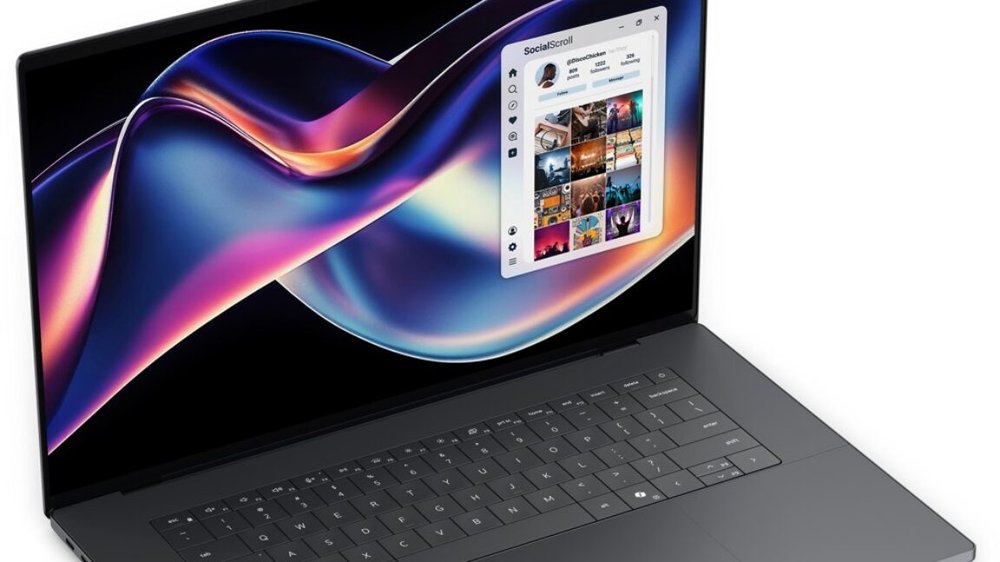
LG Display is making moves that should catch the eye of hardware-focused engineers. The company announced this week that it has begun mass production of laptop panels capable of dynamically shifting refresh rates between 1 Hz and 120 Hz. While variable refresh rates are common in OLEDs, LG claims this is the first mass-market implementation for LCDs using their new Oxide 1Hz technology.
For engineers optimizing edge devices, the power implications are significant. The panel drops to 1 Hz when detecting static content, like reading documents or checking email. It ramps up to 120 Hz only when motion demands it, such as during video playback or gaming. This adaptive behavior targets one of the persistent bottlenecks in mobile computing: battery longevity.
LG didn't share every schematic, but they credited proprietary circuit algorithms and specific panel design innovations. They also noted the use of new materials, specifically applying an oxide with minimal power leakage to the display's thin-film transistor during low-refresh operations.
This isn't just about saving power; it's about smarter hardware-software handshake. As machine learning workloads increasingly move to local devices, every milliwatt counts. Components that intelligently adjust based on workload characteristics mirror the efficiency goals many ML systems strive for. By reducing energy waste on static frames, LG aims to extend operational windows for professionals who rely on sustained performance without constant charging. This development suggests a shift toward more context-aware hardware, where components conserve resources until high fidelity is actually required. Mass production starts now, meaning we should see these panels in consumer laptops shortly.
Source: Ars Technica