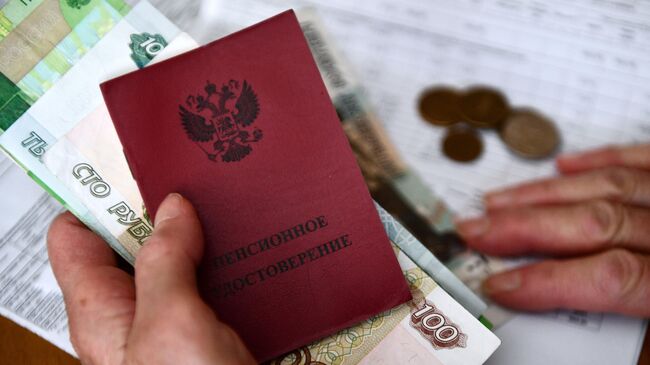
In 2026, verifying historical employment data remains a significant hurdle for professionals who started their careers in the 1990s. Lyudmila Ivanova-Shvets, an expert from Plekhanov Russian University of Economics, highlights a specific document required to assess pension rights: the benefit statement from the Social Fund of Russia (SFR). Engineers and data professionals understand the importance of verified sources; this record is available via Gosuslugi or directly at fund offices.
The core issue lies in data integrity from the 90s. That era featured widespread informal employment and inconsistent record-keeping. Many organizations failed to archive paperwork properly, creating gaps in individual histories. If an employer still exists, regardless of structural changes, they remain the primary source of truth. If the entity is dissolved, state archives are the next query point.
When primary records are lost, the system requires alternative validation. Courts accept indirect evidence: pay stubs, union cards, or witness testimony. This process resembles debugging a legacy system where logs are missing. You need to reconstruct the timeline using whatever signals remain. Ivanova-Shvets advises starting this verification early. Retrieving fragmented data from decades-old archives is not instantaneous. For those approaching retirement, ensuring your personal dataset is complete is the only way to guarantee accurate benefit calculation. Delaying this request risks leaving valuable history uncounted. Treat your employment history like a critical database: audit it now before the system closes the loop on your career.
Source: RIA Novosti