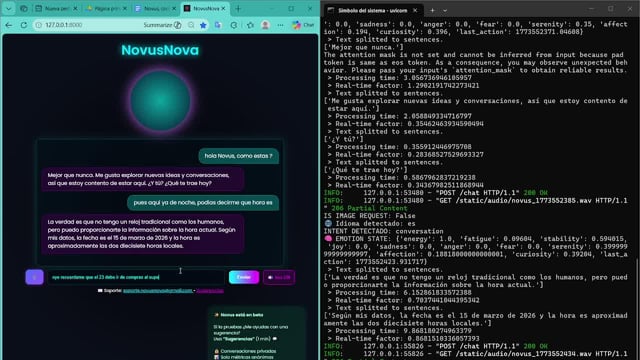
In a modest home lab, a software engineer's side project is hinting at a profound shift in how we might live with technology. The experiment involves building a personal AI assistant from the ground up, moving beyond the familiar, transactional nature of tools like Siri or Alexa. The developer's prototype suggests a future where these systems integrate sustained conversation, persistent memory, and deep contextual awareness. This combination could transform them from occasional utilities into constant presences in our digital lives.
The current generation of assistants operates on a command-and-response model. The next may be defined by continuity, learning and adapting through ongoing interaction rather than isolated requests. A brief demonstration video from the project, while technically simple, frames a compelling question: are we approaching an era where our primary interface with technology is not a tool we use, but a companion we engage?
This evolution raises significant considerations for engineers and users alike. For data and machine learning specialists, it necessitates architectures capable of maintaining long-term, secure user context and enabling genuinely progressive learning. The technical hurdles are substantial, but the trajectory seems clear. The goal is no longer just answering a question, but understanding a life. The industry's challenge is to build that capability responsibly, ensuring these potential companions enhance rather than complicate the human experience.
Source: Reddit AI