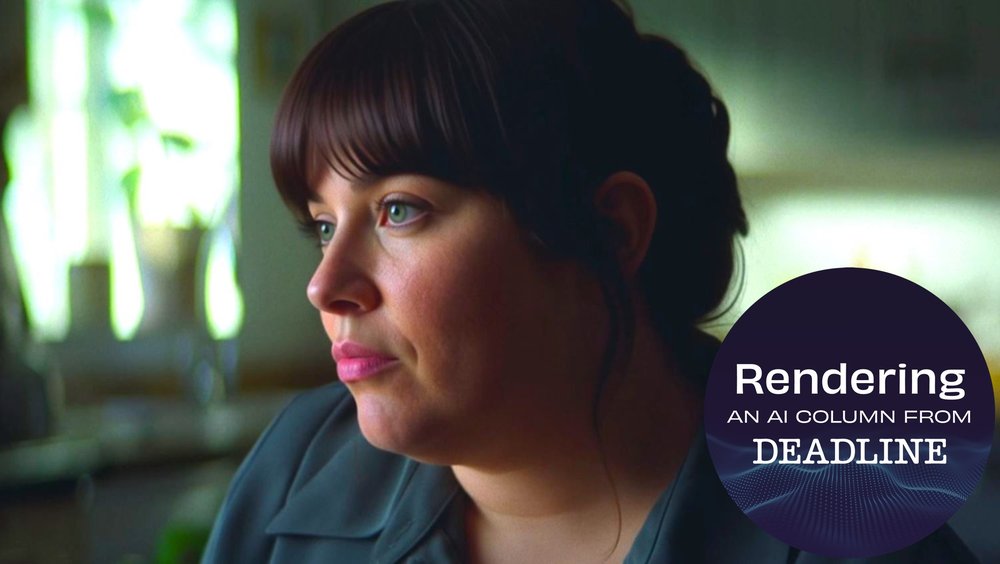
In documentary filmmaking, the need to protect a source's identity has long meant shadowy silhouettes and distorted voices. Now, a new tool is entering the edit suite: artificial intelligence. Far from the controversial deepfakes of the past, filmmakers are deploying AI-generated avatars to anonymize sensitive contributors, aiming to preserve both their safety and the emotional truth of their testimony.
This technique gained attention in Netflix's recent documentary, *The Investigation of Lucy Letby*. The film opened with a disclaimer that two contributors were "digitally disguised." A mother of a victim and a former friend of the convicted nurse gave raw, emotional interviews—their real faces and voices replaced by AI-generated counterparts. The result was effective for anonymity but left some viewers unsettled by the synthetic presentation.
The UK-based firm Deep Fusion Films handled the identity protection. Their process involves a high-resolution "likeness replacement" that overlays a new digital identity while preserving the original subject's precise facial expressions, eye movements, and body language. Co-founder Benjamin Field argues this method offers more than a pixelated blur. "Their truth is never actually heard if it has to go through a filter," he says. A digital double, he contends, lets audiences see the nuance of a person's reaction.
Ethical guidelines are evolving alongside the technology. Documentary veteran Rachel Antell, co-founder of the Archival Producers Alliance, emphasizes "rolling consent" from participants and clear transparency for viewers. She also notes a significant risk: the "black box" nature of many AI tools, where filmmakers may not understand the inherent biases of the systems they're using.
For now, the audience's acceptance is the final test. Early reactions show a degree of unease, which Field acknowledges. But as the technique refines, the industry is betting that a credible digital mask might just become a standard tool for telling difficult truths.
Source: Deadline