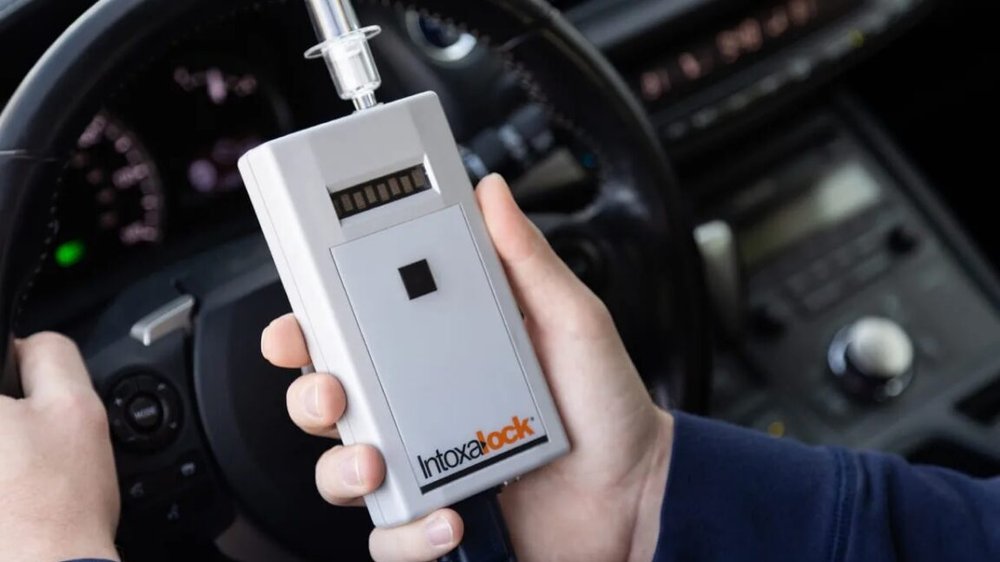
When centralized authentication fails, the physical world stalls. That was the reality for drivers across the U.S. this week after a security breach at Intoxalock prevented ignition interlock devices from validating users.
Des Moines-based Intoxalock manufactures hardware states mandate for drivers recovering from DUI convictions. These units aren't standalone breathalyzers; they are connected IoT endpoints. Users lease the boxes for roughly $70 to $120 monthly. Before ignition, the driver blows into a tube. If alcohol levels exceed state limits, the engine stays dead.
The system relies on continuous data exchange. During operation, the device triggers random retests. Drivers must pull over and blow again within a narrow window, often just 3 to 15 minutes. Miss the prompt, and the system escalates: horns blare, lights flash, and the engine may lock out temporarily. Some configurations even pipe GPS coordinates and driver photos back to central servers every time a test occurs.
This incident highlights the risk inherent in remote-dependent hardware. When the backend managing these auth tokens went dark, legitimate users were stranded. Edge devices requiring constant connectivity for core functionality introduce single points of failure. As we build more autonomous systems, ensuring resilience against upstream outages—or compromises—isn't just about data integrity; it's about physical safety. Engineers building connected fleets need to consider offline modes and decentralized validation to prevent future lockouts. Relying solely on cloud authorization for physical access creates unnecessary vulnerability.
Source: Ars Technica